

NSW bee ban to fight Varroa mite spread to Victoria
RESTRICTIONS are now in place to prohibit the movement of bees from New South Wales into Victoria. These restrictions have been put in place to prevent and control Varroa mite, as NSW’ respond to multiple detections near the Port of Newcastle...


RESTRICTIONS are now in place to prohibit the movement of bees from New South Wales into Victoria.
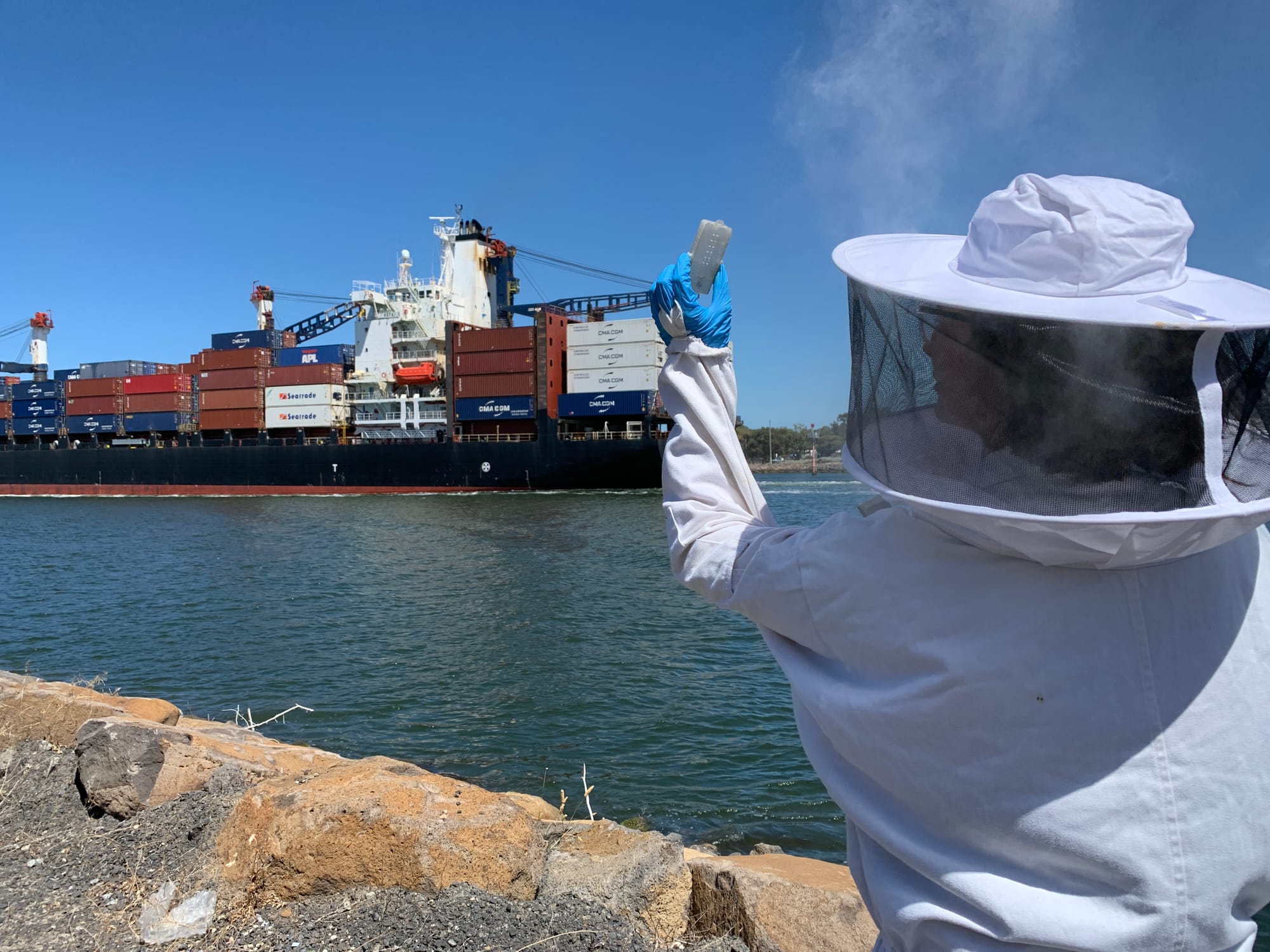
These restrictions have been put in place to prevent and control the spread of the Varroa mite pest as NSW responds to multiple detections near the Port of Newcastle.
Varroa mite (Varroa destructor) is a serious, exotic parasite of adult European honeybees and their brood. It weakens and kills honeybee colonies and can also transmit honeybee viruses. The mite occurs in beekeeping countries throughout the world but is not established in Australia.
It is considered the greatest threat to Australia's honey and honeybee pollination plant industries.
Victoria’s Deputy Chief Plant Health Officer Stephen Dibley said the measures were necessary to support the national response and ensure they keep Varroa mite out of Victoria.
“Varroa mite is a serious threat to Australia’s bee population and horticulture industries that rely on pollination,” Dr Dibley said.
“The restrictions mean that no bees, hives or beekeeping equipment can be moved into Victoria from New South Wales without a permit. However, no permits will be granted while the NSW standstill is in place, to comply with NSW emergency orders.”
Dr Dibley said there had been no detections of Varroa mite in Victoria, and these restrictions are in place to prevent that from happening.
“Beekeepers should inspect their hives regularly for signs of Varroa mite and other exotic pests, using the appropriate methods including sugar shake and drone uncapping.
“Any suspect detections can be reported immediately to the national Exotic Plant Pest Hotline on 1800 084 881.”
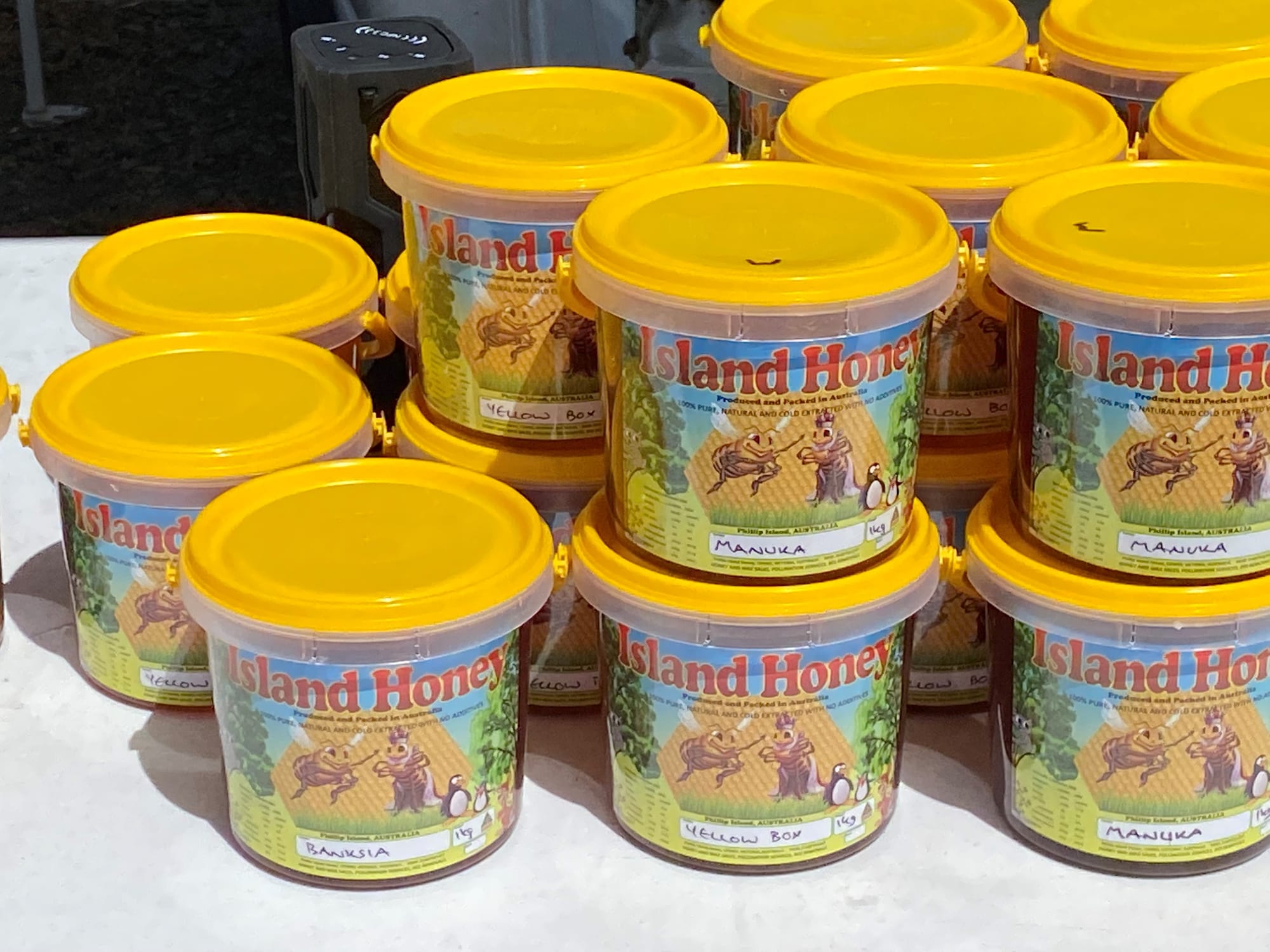
Phillip Island Honey’s David Severino raised serious concern regarding the detection of the pest, saying he believes it could wipe out the bee keeping industry if it spreads.
“For agriculture, it means no pollination, things like the almond industry, fruits, anything that requires bees to pollinate is going to suffer,” he told the Sentinel-Times.
“That means less food and less food security.
“Almonds are 100 per cent reliant on bees.”
Mr Severino, who is a commercial beekeeper and honey producer, said the ramifications for his business could be disastrous.
“It will mean pollination prices will go up because we will have to reduce our bee numbers to try and control it,” he said.
“I run 400 hives, but with varroa mite, I would have to drop it to 100-150 hives to manage it properly.
“Which means my income will drop by about three quarters.”
Latest from Agriculture Victoria
Deputy Chief Plant Health Officer at Agriculture Victoria Stephen Dibley underscored the seriousness of the threat to Victorian beekeepers and agriculture on the Victorian Country Hour on Thursday, June 30.
“Yes, absolutely, it’s not just about the managed hives, it’s about any reservoir for the Varroa pest at all so those so those swarms that are present in the wild are just as important to control and look at as the managed hives.
“The movement into Victoria from New South Wales of beehives, used bee equipment and bees and bee products is now restricted.
The bees, bee equipment and bee product cannot be moved into Victoria without a permit and no permits will be granted whilst the NSW’s restrictions are still in place.
He said it was about supporting NSW’s actions and it is illegal to move any beehives in NSW at the moment, so therefore hives cannot be move into Victoria from New South Wales anyway and our conditions are about supporting that and backing that up.
He said the rules in Victoria will constantly be reviewed and changed, according to Dr Dibley, to provide the industry here with the best possible protection while NSW authorities work through the present crisis with the Varroa Destructor mite.
Dr Dibley was also asked about the upcoming pollination of the $1 billion almond sector around the border of NSW and Victoria, which reportedly uses ¾ of Australia’s available beehives, and he acknowledged that it was a priority for the department.
Almond growers need the issue to be sorted out in a matter of weeks or their industry will be lost.
“Absolutely, almond pollination is front of min for us in Victoria. It’s an extremely large event where hives do move from within the state and also from interstate so we are working with our almond industry as well as our beekeeping industry and keeping them informed and working positively with them.
“We’ve established an interstate movement working group to look at our options to move hives for almond pollination so definitely it is front of mind for us, and we will be doing everything we can to have a safe movement of hives for pollination events, not only for almonds which is the primary one, but there’s multiple other horticultural and agricultural crops that will require pollination post-almond pollination.”
And the advice for beekeepers today?
“For beekeepers, we ask them to keep an eye on the website and all the media coming out around this. We also really value you looking at your hives and reporting anything suspect through the Exotic Plant Pest Hotline (1800 084 881). Any reporting is highly valued and will be followed up by the relevant authorities,” said Dr Dibley.
For more information visit the Agriculture Victoria website: https://agriculture.vic.gov.au/


