

Victoria confirms first case of bird flu at Portland
The first case of H5 bird flu has been confirmed in Victoria. The disease was confirmed in a greater crested tern at Portland on Thursday, July 30.


THE first case of H5 bird flu has been confirmed in Victoria.
The disease was confirmed in a greater crested tern at Portland on Thursday, July 30.
Cases of H5 bird flu, also known as H5 high pathogenicity avian influenza, have previously been confirmed in Western Australia, Queensland, South Australia and New South Wales.
As of 9am AEST, July 30, 2026, Australia had 27 confirmed detections of H5 bird flu in wild seabirds, as follows:
- 10 in Western Australia (WA)
- 14 in South Australia (SA)
- 2 in New South Wales (NSW)
- 1 in Queensland (QLD).
The latest confirmation brings that number to 28 and inevitable that the disease would be recorded in Victoria after confirmed infestations in the other southern and eastern states, and also in New Zealand.
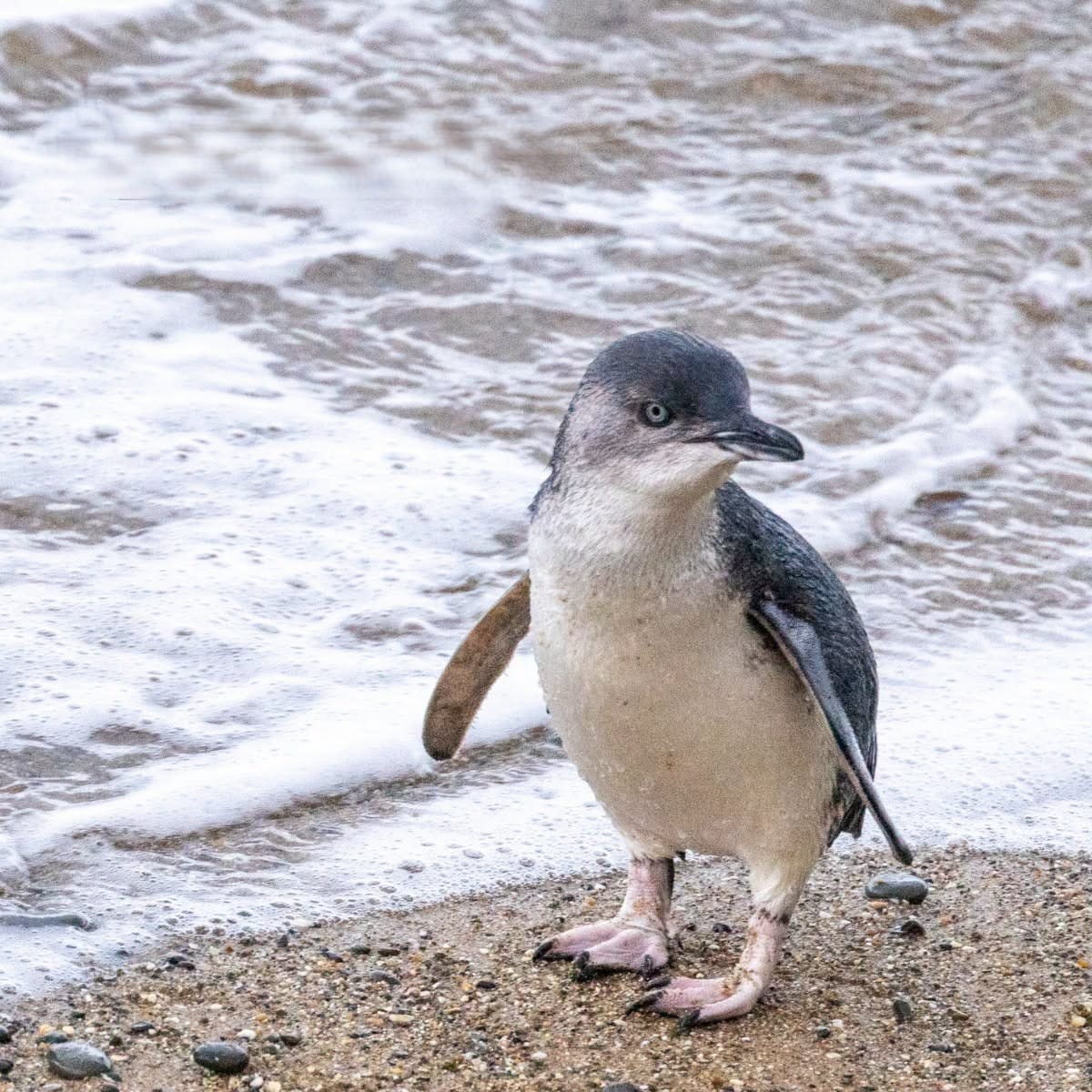
Phillip Island’s world-famous penguin parade is at serious risk from the ongoing outbreak.
Phillip Island Nature Parks (PINP) have been contacted for a statement in light of the escalation in the number of birds confirmed with bird flu. They were also asked to comment on reports PINP was investigating the potential for immunising the local penguin population.
They have referred us to the Department of Energy Environment and Climate Action which they say is managing the statewide response to the outbreak.
But here’s what PINP said recently.
“Phillip Island Nature Parks is closely monitoring the highly contagious H5 bird flu situation in Western Australia and is preparing for the potential arrival of the virus in Victoria.
“This is the first time this strain of bird flu has been detected in Australia, and we have increased monitoring of penguin and seal colonies, and migratory shorebird areas, and have an active Avian Influenza Response Plan in place.
“The Nature Parks has been planning for the arrival of this bird flu strain since 2023, and we continue to work closely with The Department of Energy, Environment and Climate Action (DEECA) on an effective response. We remind all Victorians to stay aware and report unusual wildlife sickness or mortality.
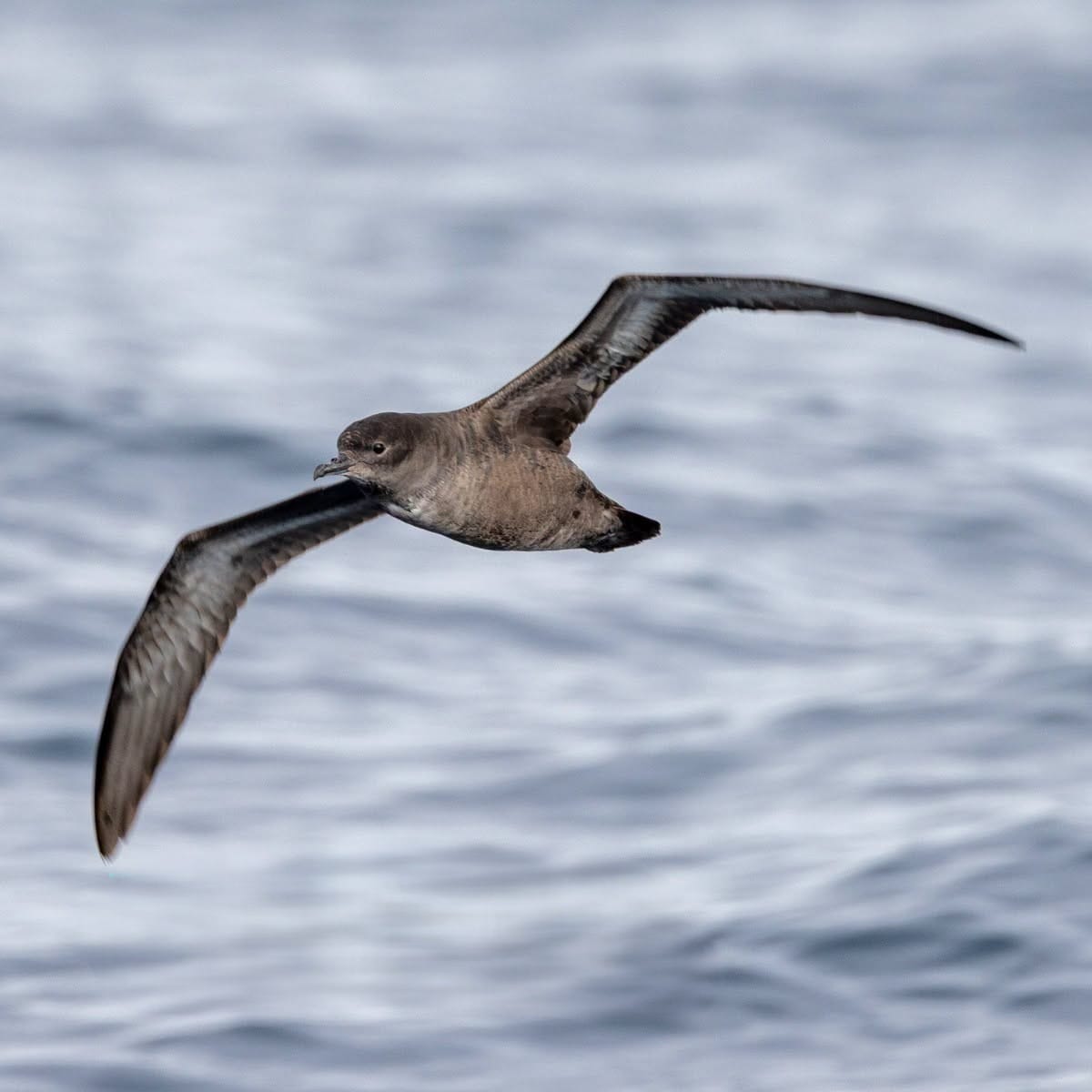
“Over the past three years the Nature Parks has invested significant resources into building the health and resilience of habitat for little penguins, Eastern barred bandicoots, short-tailed shearwaters and shorebirds.
“This resilience work supports a species’ ability to respond to environmental threats including disease.
“The community can help if they see unusual illness or death in wildlife – avoid contact, record the details and report it so it can be investigated.”
According to a statement released by Agriculture Victoria, there are no detections in poultry in Australia and no signs of mass wildlife deaths.
“There are currently no movement restrictions in place for poultry or bird movement in Victoria.
“Overseas, this strain has caused severe disease and high death rates in poultry, wild birds and other wildlife. Human cases are rare and the virus does not spread easily between people.
“If you see sick or dead birds or other wildlife, do not touch them.
Avoid direct contact. Record what you see. Report it to the Emergency Animal Disease Hotline 1800 675 888.
For updates, visit the Agriculture Victoria website HERE and on Facebook.
For more information about the situation across Australia, visit Bird flu.
Expert views
ABC Regional Radio spoke to two experts in the field, Victorian Farmers Federation Egg Group President Brian Ahmed and Professor in Wildlife Ecology and Conservation at Deakin University, Ewan Richie.
Mr Ahmed, a caged egg farmer, discussed the impact of the H5N1 bird flu strain detected in Victoria. He emphasised the need for biosecurity measures, noting that free-range farms are more susceptible due to bird-to-bird transmission.
Mr Ahmed suggested a balanced mix of caged, free-range, and barn farming to mitigate risks. If the virus hits commercial farms, quarantine and culling within a 5-kilometre radius will be implemented.
Ewan Ritchie highlighted concerns for various wildlife species, including threatened birds and mammals, and stressed vigilance and reporting of sick or dead wildlife.
- Interviewer: What's your estimation of how quickly or slowly this strain will travel from that bird, if you like, to commercial farms?
- Professor Ritchie: It's really hard to know exactly how quickly it's going to spread, and terns themselves are unlikely to be interacting with chickens. But I guess the concern is, of course, that the terns have probably been in contact with other wild birds, and at some point, presumably, one of those wild birds will, you know, move into an area where there's probably free-range chickens. So, it's probably, unfortunately, a matter of when, not if. Of course, we all hope that we don't see the worst of what's happened in other parts of the world, but we are seeing increasing numbers of cases of bird flu being detected across different parts of Australia, and we would expect to see even more cases in the future. And unfortunately, associated with that, large deaths of birds, both wild, but also in some cases, chickens, livestock, and of course mammals as well, native mammals.
- Question: Can you make a guestimate on the timeframe or is that simply too hard?
- Response: It's really hard to guess, and I certainly wouldn't want to put a put a date on that. But I think obviously the most important thing is that we're being vigilant. We have surveillance and monitoring in place, and of course, as always, if people see sick, dead wildlife or wildlife that's behaving erratically or strangely, they should report it to the officials as soon as possible, and certainly not come into contact or try and touch, you know, move those wildlife.
- Question: What are your greatest concerns now in Victoria now that we have this detected?
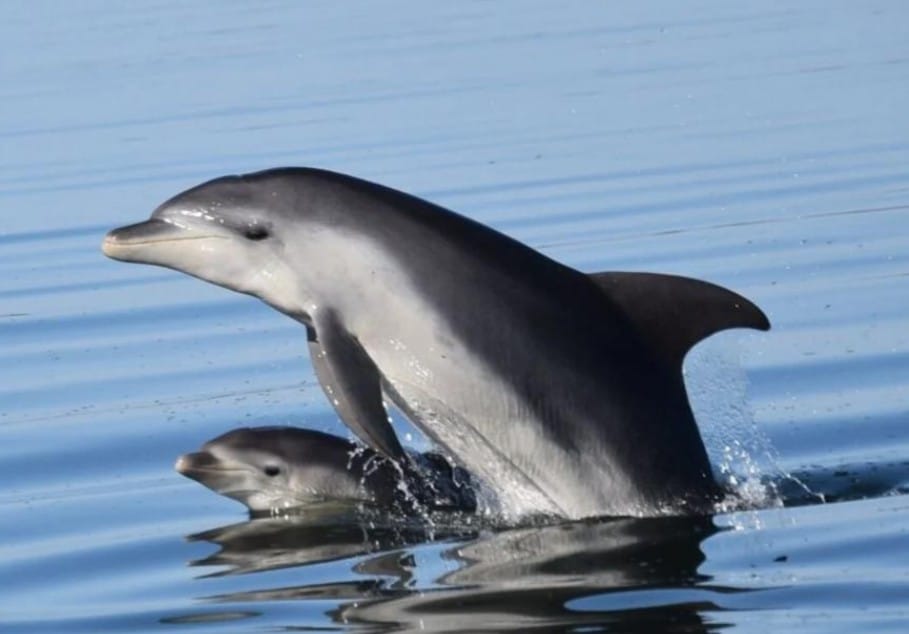
- Response: I think obviously we have concerns for all wildlife, especially of course birds, because they are so vulnerable to this pathogen, but so are many mammal species, and I think you know we're immediately concerned about threatened species and species that have small distribution. So, whether in the case of birds, that things like the Regent honey eater, the Orange-bellied parrot, the Swift parrot, which are all threatened species, but of course with mammals, you know, we're concerned about the dingo, which is found both in eastern Victoria, but a small population in the northwest of the state. We think potentially fewer than 100 adults left. Bandicoots, which will eat dead birds, quolls in northeast Victoria, and even marine mammals, which we know are highly susceptible and have suffered, you know, deaths in the 1000s in some cases in other parts of the world. The Burrunan dolphin, which is a species of bottled-nosed dolphin that's only found in Port Phillip Bay and in the Gippsland lakes, and we think that probably there's less than 300 of those in the world left. You know, if they come into contact in areas where there are sick seabirds and contract the virus themselves. This would be a massive concern. So, and then of course, you know, you think about the flow and effects to ecosystems as well. If we're having you know large deaths of birds, you know, that's going to be polluting water in some cases. But also, animals will be eating those dead carcasses, and they themselves can then contract the virus and potentially die as well. well.


