

Woodside comes full circle with historic return to Bass Strait
Woodside Energy has conducted a series of drop-in sessions across South Gippsland to mark the company’s official return to Bass Strait after formally assuming control of (Esso Australia) Exxon Mobil's offshore Bass Strait production facilities.


WOODSIDE Energy reached a significant milestone last week with a series of drop-in sessions across South Gippsland to mark the company’s official return to Bass Strait.
The energy giant has formally assumed control of Gippsland Basin assets in Victoria, including the offshore Bass Strait production facilities, associated pipeline infrastructure, the Longford Gas Plant, and the Long Island Point Facility.
For Woodside, it is more than a change in operatorship. It is a return to Victoria, the state where Woodside was founded, with a clear responsibility to safely, reliably, and responsibly manage nationally significant assets that continue to provide energy to homes, businesses, and industry across eastern Australia.
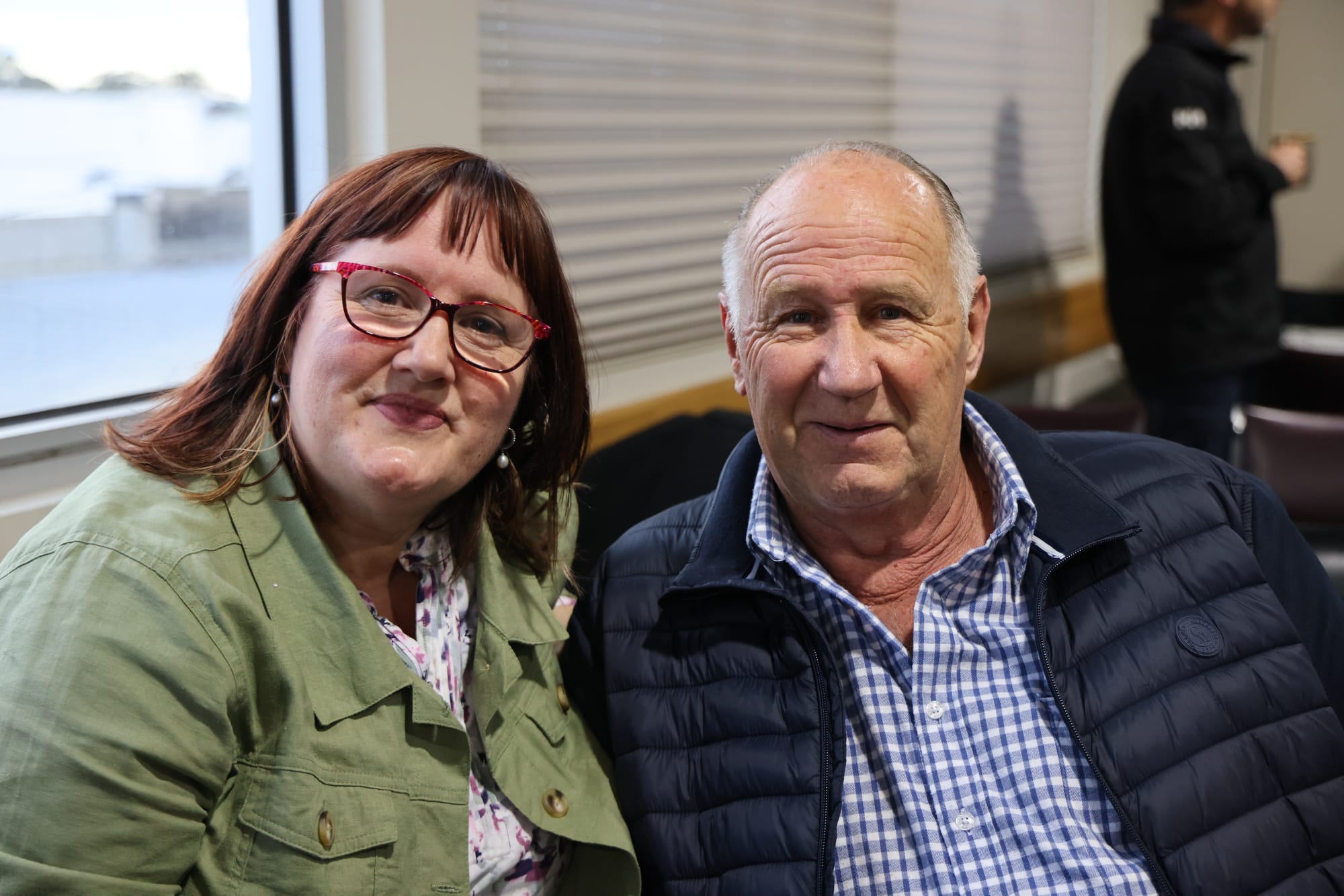
Attending the drop-in session in Leongatha were a number of former contract divers and a construction worker from the early 70’s who helped assemble the giant Tuna, Mackerel, West Kingfish, Flounder, and Bream oil and gas platforms at Barry Beach.
These structures defined an era of massive industrial expansion in the region, and their future has now generated intense local interest from former construction and steel fabrication workers. Woodside is currently seeking to secure the necessary approvals to proceed with the next stage of the decommissioning of these Bass Strait assets.
The drop-in session heard that Woodside’s early exploration efforts in Victoria were ambitious, if not fruitful. After several setbacks, including failed onshore and nearshore drilling in the Gippsland Basin, the geologists looked west.
A strategic shift to Western Australia in the 1960s laid the foundation for what would become one of the world’s leading independent energy companies and the pioneer of Australia’s LNG industry.
Former Woodside employee Rod Legg of San Remo worked on the Northwest Shelf.
Now retired, Mr Legg recalled the days he worked for Esso in Bass Strait. “It must have been 1974,” he said. Still maintaining a keen interest in the artificial reefs that could be created once the topsides are removed, Mr Legg said he would like to see some of the structures kept in place. Mr Legg noted that the marine life thriving around the steel jackets over the decades had created a unique ecosystem that benefitted local fish populations and recreational fishers alike.
Another former diver, Lawrence Moore, also attended the Leongatha drop-in session, commenting that he couldn’t understand why anyone would want to completely remove the underwater structures. Mr Moore, who spent years maintaining the submerged infrastructure, argued that the marine growth on the platforms was so well-established that full removal would do more environmental harm than good. "The sea has claimed those platforms now," he remarked to Woodside representatives.
The continuing series drop-in sessions have provided a forum for South Gippsland residents to voice their perspectives on the upcoming decommissioning phase. Woodside representatives detailed the rigorous engineering, environmental, and safety assessments required before any physical work can actually begin.
The company emphasised its commitment to transparent community engagement, acknowledging that the legacy of Bass Strait oil and gas is deeply intertwined with the social fabric of local towns like Leongatha, Toora and Welshpool.
As the region continues to navigate a complex energy transition, the management of these ageing assets remains critical. Woodside's dual focus on maintaining current energy security while planning responsible decommissioning has highlighted the evolving nature of the sector.
According to Woodside Energy the transition of operational stewardship marks the closing of one chapter and the beginning of another, bringing the company back to its geographical roots while addressing modern environmental expectations
Woodside plans to hold further information sessions across the region in the coming months. These meetings will ensure that the voices of former workers, environmental groups, and local residents remain central to the decision-making process as Victoria's historic offshore structures face their next transformation.


