

Vulnerable plovers reclaim coastal territory.
Hooded plovers are again preparing to establish their breeding territories along the Bass Coast as a new nesting cycle begins this month.


Hooded plovers are again preparing to establish their breeding territories along the Bass Coast as a new nesting cycle begins this month.
Phillip Island Nature Parks recently reported another successful breeding season, during which 38 hooded plover nests were identified and protected with wildlife refuges.
Ten chicks from 15 breeding pairs fledged, producing a rate of 0.67 fledglings per pair.
While the result was slightly below the local average, it remained above BirdLife Australia’s target of 0.5 fledglings per pair.
Fledging occurs when a young bird has developed the feathers and wing muscles required in order to fly and leave its nest.
Each of the 10 surviving chicks was banded and fitted with a yellow leg flag carrying a unique combination of both letters and numbers, markings that will allow researchers and volunteers to identify individual birds and track where they travel.
Hooded Plovers recently took a bit of a ‘winter break’ from breeding and instead gathered in flocks to areas of higher food availability.
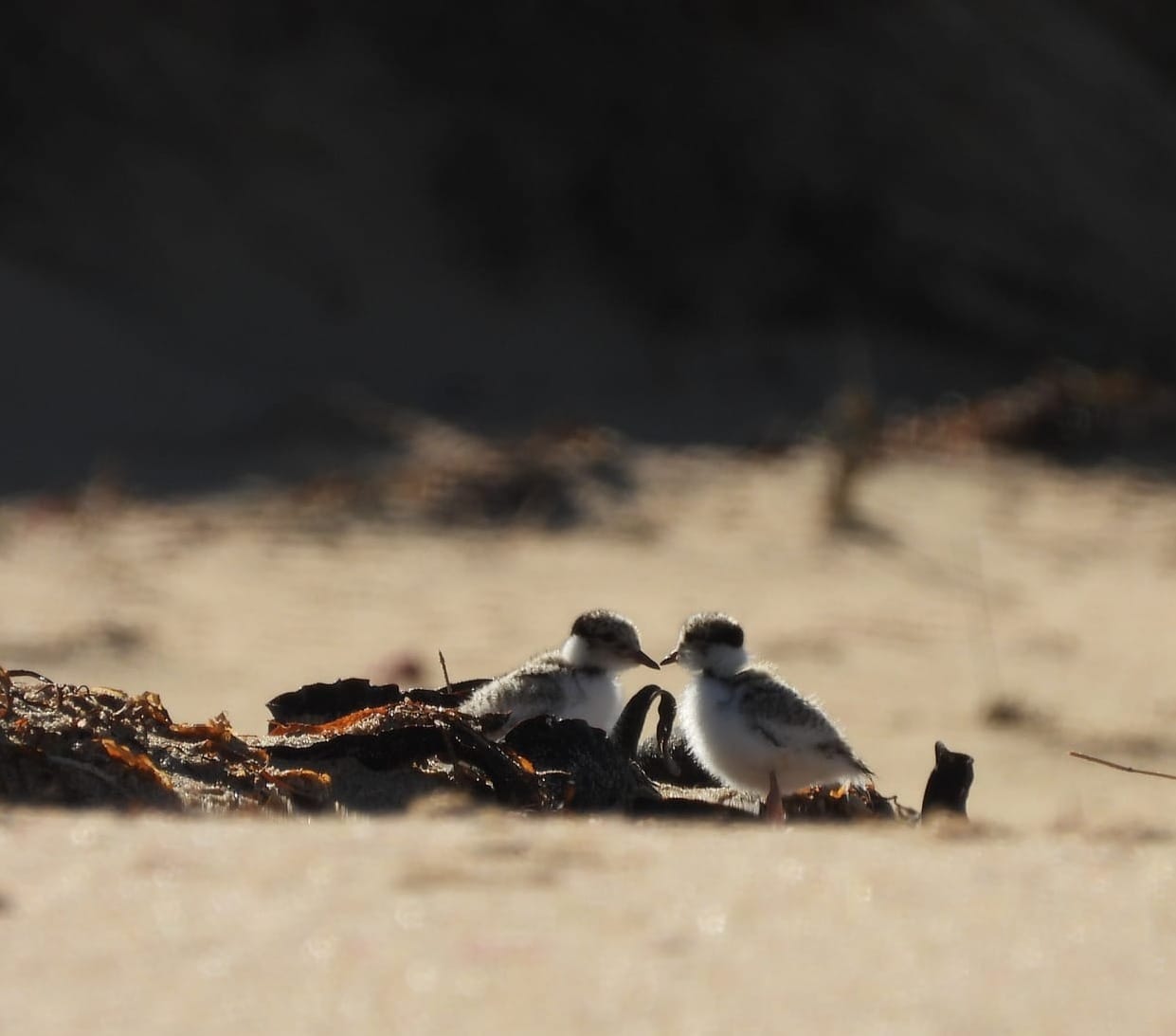
However, as of the beginning of August, hooded plover pairs have begun returning to coastal territories and preparing to nest directly on beaches.
The location of their nests leaves eggs and chicks particularly vulnerable to disturbances from a range of hazards, such as people, off-leash dogs, foxes, coastal weeds and severe weather.
The season also begins as H5N1 bird flu reaches the Victorian coastline for the first time.
Seven cases have been confirmed in greater crested terns at Portland and Nelson Bay in the state's south west since July 30, with another 33 suspect cases undergoing confirmation testing at the CSIRO.
The strain has caused mass deaths in seabird colonies overseas and Agriculture Victoria is asking the public to report any cluster of five or more sick or dead wild birds to the Emergency Animal Disease Hotline on 1800 675 888.
Local protection work is also being undertaken through the four-year, $1.5 million ‘Towards Zero Extinctions: Protecting the Eastern Hooded Plover’ project.
The federally funded project covers the coastline between San Remo and Sandy Point, which supports Victoria’s second-largest hooded plover population.
Speaking about the conservation effort earlier this year, West Gippsland CMA Catchment and Community Project Officer Joel Kilgour said cooperation between the organisations and people involved was central to protecting the birds.
“It’s the partnership and passion that unite to make this project successful, where everyone is involved and supports each other for the good of the hoodies,” Mr Kilgour said.
Residents and visitors are being encouraged to follow beach signage as the breeding season begins, keep dogs leashed where required and stay clear of fenced or roped-off nesting areas.


