

Wonthaggi desalination plant delivers water to Melbourne ahead of schedule
To safeguard Melbourne from potential El Niño weather conditions and declining dam levels the state government has ordered a massive 150 billion litres of desalinated water to be suppled from the Wonthaggi desalination plant years ahead of schedule.


TO COMBAT potential El Niño weather conditions and declining dam levels the state government has ordered a massive 150 billion litres of desalinated water to be suppled from the Wonthaggi desalination plant for the 2026-27 supply year.
This boosted delivery was brought forward to commence in June 2026 as a crucial buffer against severe dry conditions across the state but particularly in water catchments supplying Melbourne and Geelong.
The state government tripled its order from the Wonthaggi plant bringing it up to 150 gigalitres to address rising demand and dry catchments supplying the state grid.
Despite the dry conditions Bass Coast’s primary local supply Candowie Reservoir, sits at a healthy 50% capacity with Westernport Water continuing to distance itself from total reliance on Melbourne’s water supply pool.
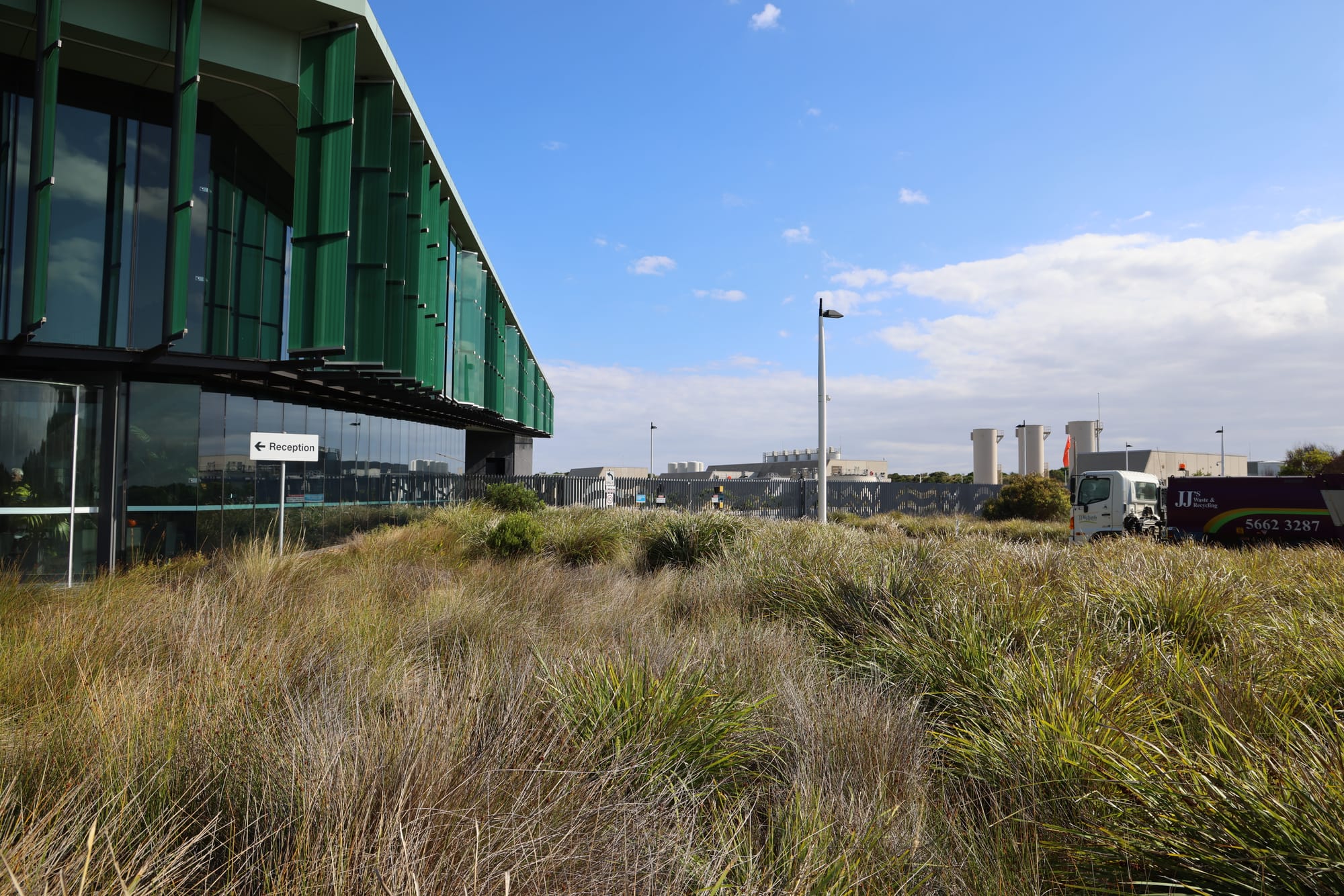
The delivery of drinking water to Melbourne from the Wonthaggi desalination plant, years ahead of schedule, will provide a critical buffer against potential El Niño weather conditions as metropolitan storage levels plummet to their lowest point in six years.
Minister for Water Harriet Shing announced high-quality desalinated water from the State Desalination Plant was already flowing into the Cardinia Reservoir as Melbourne’s total water storage dipped below 64 per cent.
The delivery of water from the local desalination plant has been fast tracked to counter a steep, two-year downward trend in state water levels. Despite recent winter rainfall, major catchments across Victoria continue to experience prolonged drying.
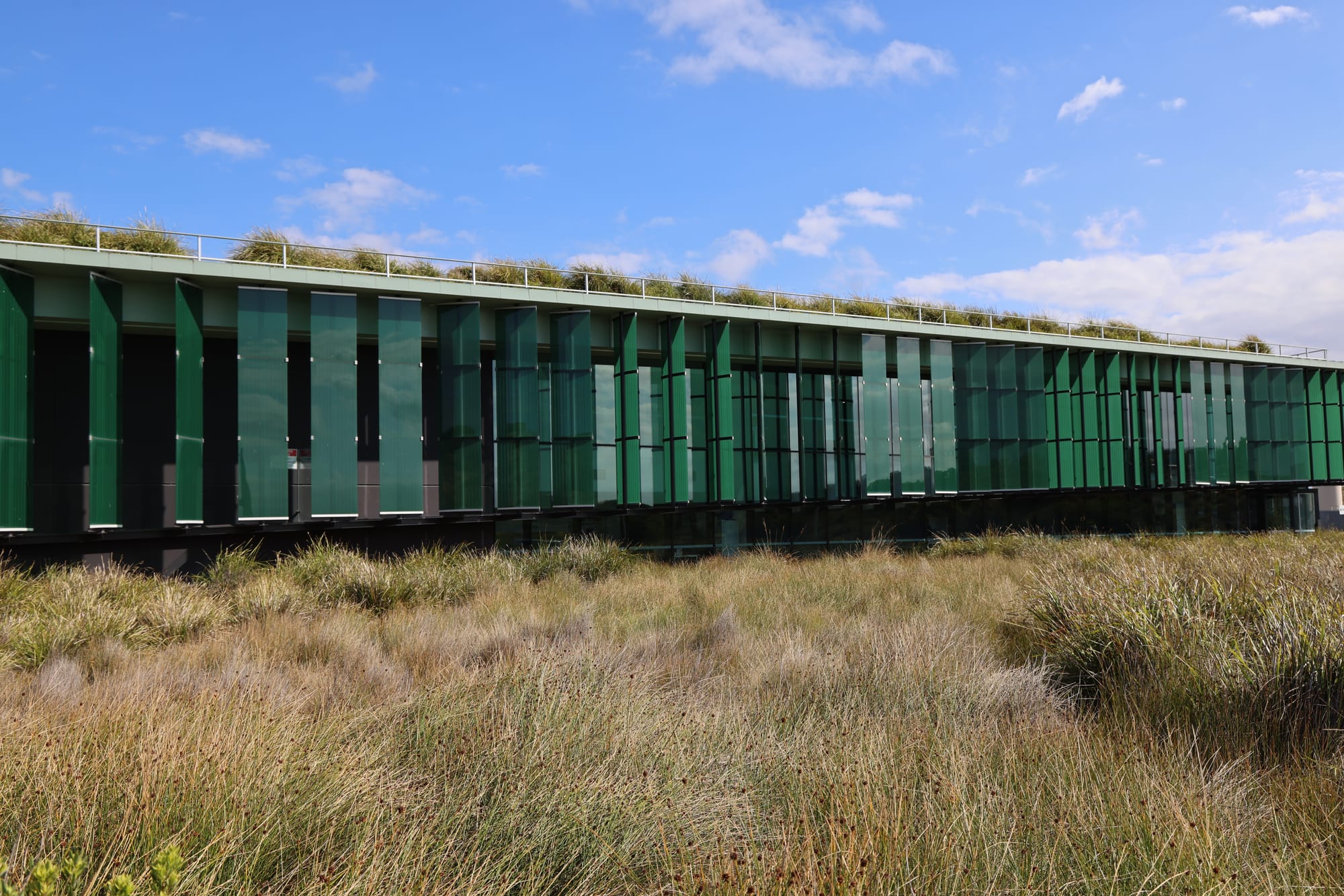
Over the next 12 months the Victorian Desalination Plant at Wonthaggi will operate at its absolute maximum capacity. The facility is locked in to produce 150 billion litres of water2026-27 to meet the state's maximum possible annual water order.
Since becoming operational the Wonthaggi facility has served as the backbone of the state's climate resilience strategy. To date the plant has pumped more than half a trillion litres of drinking water into the grid. This output accounts for 27.9 per cent of Melbourne’s current total water storage capacity.
Water authorities have emphasised that desalinated water remains entirely independent of rainfall patterns and this rainfall independence makes the facility the single most important asset in Victoria’s long-term strategy against climate change and population growth. The Bass Coast network also stabilises surrounding regional growth corridors including South Gippsland and Phillip Island.
The early water delivery has reignited a fierce political debate over infrastructure spending and long-term planning. Regular, large-scale water orders such as this have now become a standard component of managing Melbourne's daily drinking supply.
The State Government used the announcement to target the opposition's historical stance on the project. "The desalination plant was opposed by the Liberals every step of the way," Minister Shing stated.
"Without it, right now our storages would be at critical levels, with costly water restrictions across Melbourne, Geelong, and parts of Gippsland."
Without the desalination plant the government has argued that strict water restrictions would have cost the Victorian economy billions of dollars in lost commercial productivity and severely impacted residential lifestyles.
Despite the massive capital and operational costs associated with running the Wonthaggi facility at maximum capacity Melbourne consumers are said to still enjoy some of the most consistently low water rates in the country.
“Building large-scale, rainfall-independent infrastructure remains the only viable path forward as weather patterns become more volatile, Minister Shing said.
"Only Labor invests in the infrastructure Victoria needs to keep safe, reliable, and affordable drinking water flowing,"
As the maximum order of 150 billion litres continues to flow into Cardinia Reservoir over the coming months, authorities will monitor storage levels closely. For now, the early seasonal activation ensures that household taps across greater Melbourne and connected regional hubs will keep running without the immediate threat of restrictions.


