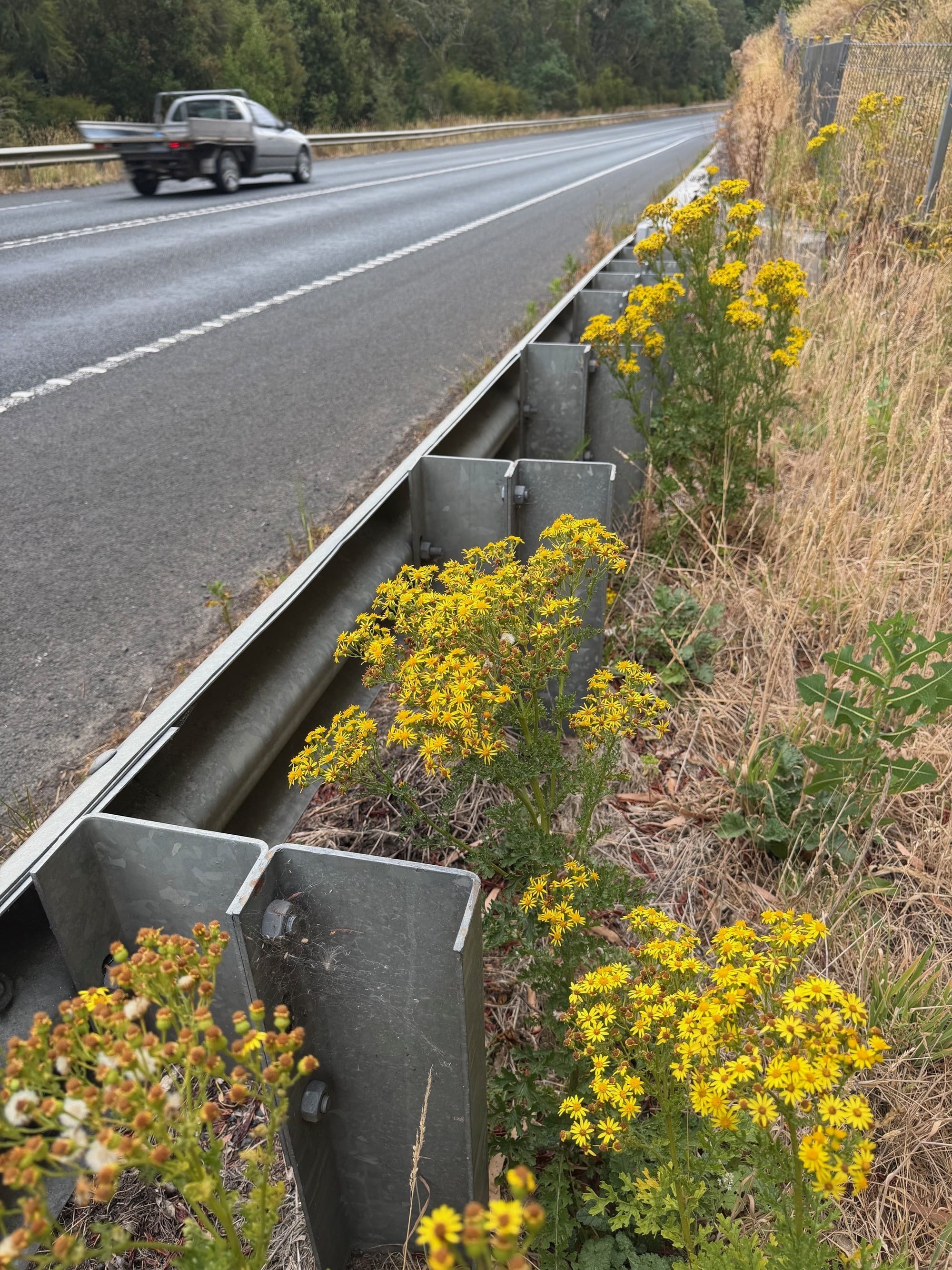
Community urged to report killer roadside vegetation
If you're concerned about the amount of vegetation on the roadside – report it! If it’s along a highway or major arterial road it’s likely to be a Transport Victoria responsibility. If it's on local roads contact the council.


IF YOU’RE concerned about the amount of vegetation on the roadside – report it!
If it’s along a highway or major arterial road it’s likely to be a Transport Victoria responsibility.
If so, you can report your concerns HERE
They’ll also respond to reports about faded line marking, small potholes, damaged signage and graffiti.
If it’s a more urgent concern call 13 11 70.
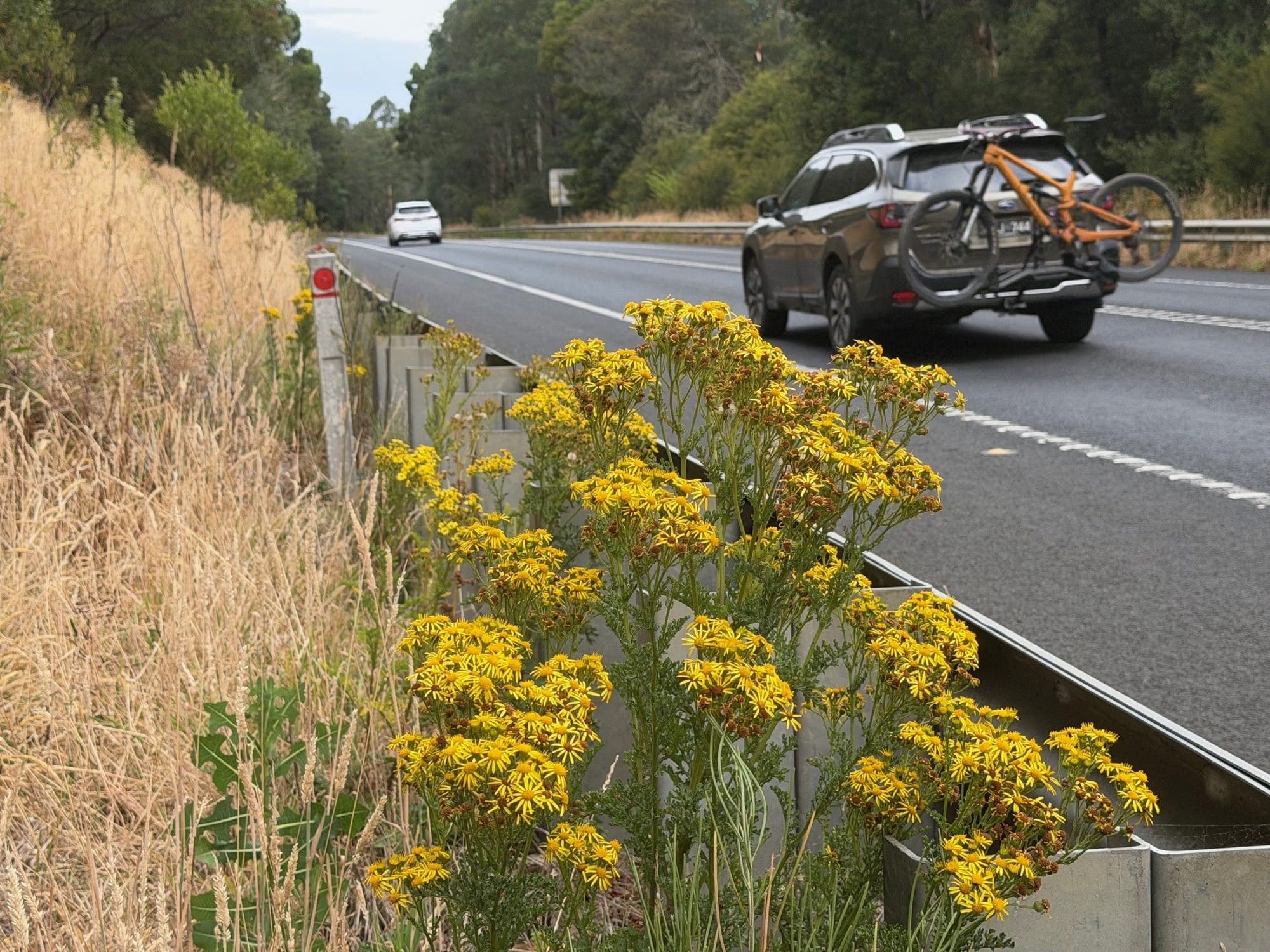
If your concerns relate to the amount of vegetation, especially long dry grass, rubbish and scrub on country roads locally, chances are they’re the responsibility of the Bass Coast or South Gippsland shire councils.
If so, you can report your concerns via email to the Bass Coast Shire Council at basscoast@basscoast.vic.gov.au or South Shire Council at council@southgippsland.vic.gov.au
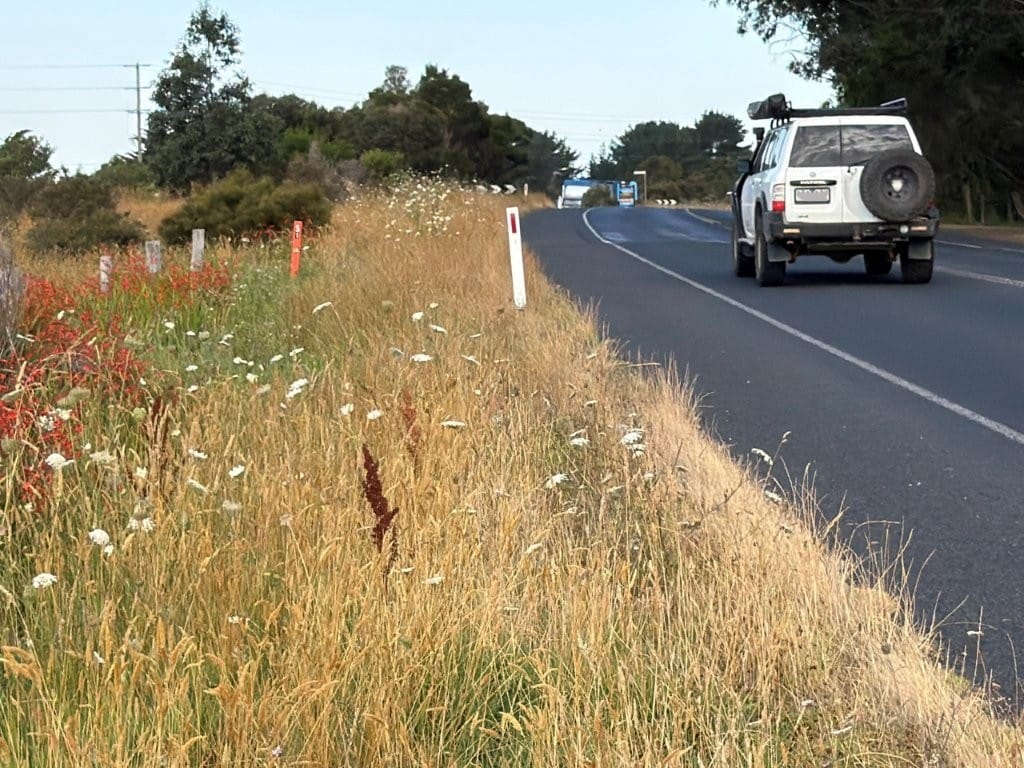
Identifying and responding to these fire hazards should be a matter of urgency, given the run of hot, dry weather and the fact that the cause of the deadly Longwood bushfire north of Yea has been confirmed as a trailer throwing off sparks into dry, roadside vegetation.
Eastern Victoria MP Melina Bath was the first to put into words what we were all already thinking, that something has gone seriously wrong with the slashing program this year.
Bass MP Jordan Crugnale, herself a CFA volunteer, was also alert to the problem but she had an explanation. She said the Department of Transport and Planning’s first statewide cut was completed in December and further cuts are planned in early 2026.
“DTP works in close consultation with emergency services to determine the timing of their fire risk reduction program,” Ms Crugnale said.
“I encourage community members to report hazards and any concerns about the condition of the arterial road network by calling the hotline on 133 778.”
But programs are one thing and responding to the conditions is another. Clearly there’s been a burst of growth since the roadsides were slashed in December (if they were), and regardless of consultation and established timing, you press the panic button and get the contractors out there again mucho pronto!
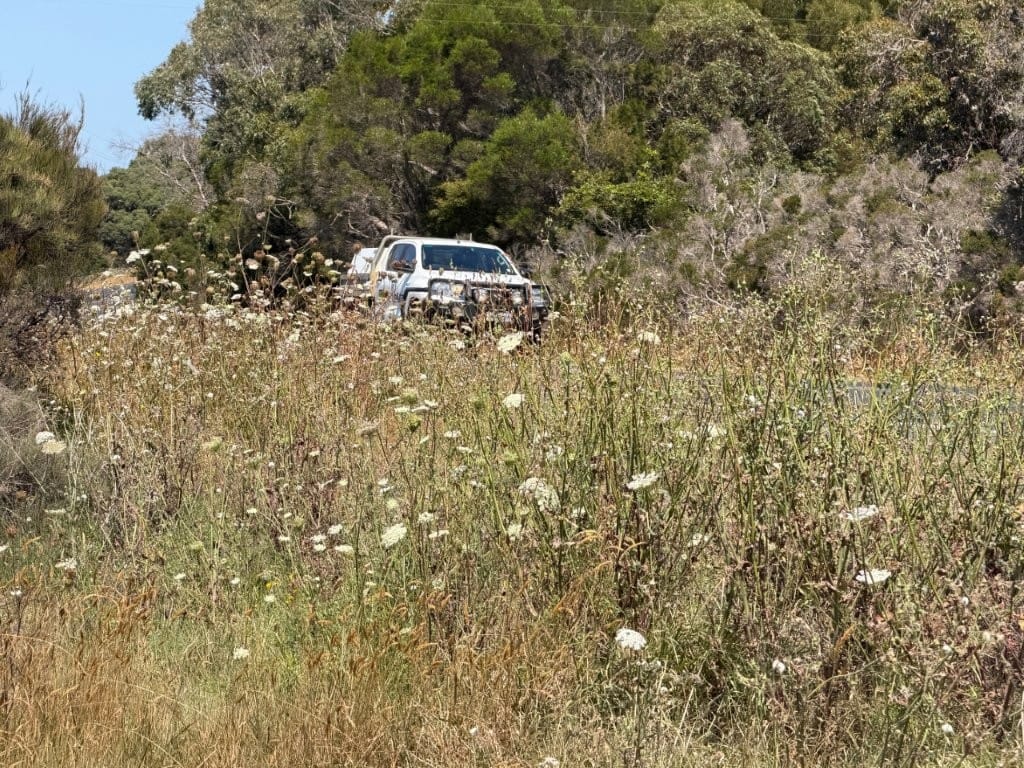
The South Gippsland Shire Council has acknowledged seasonal problems with their slashing program:
“The main factor affecting this year’s Council-managed roadside slashing in South Gippsland has been the weather, with late spring rain making it challenging to keep up with rapid growth.
“Council manages an extensive and, in many areas, heavily vegetated road network comprising 1800 km of local rural roads, which takes crews close to a full year to complete one cycle — and then it’s back to the beginning again.
“Because of the increased fire risk posed by roadside vegetation, Council also delivers an annual summer fire slashing program covering 225 km of roads, with the list of sites identified in collaboration with the Country Fire Authority using a risk-based approach.
“At this time of year, Council receives an increase in roadside slashing requests due to fire risk concerns, which are triaged and prioritised based on use and risk, with additional works scheduled where needed.
“Council’s Community Safety team continues to assess private properties with long grass, issue compliance notices where required, and work with contractors to carry out compulsory works where necessary.
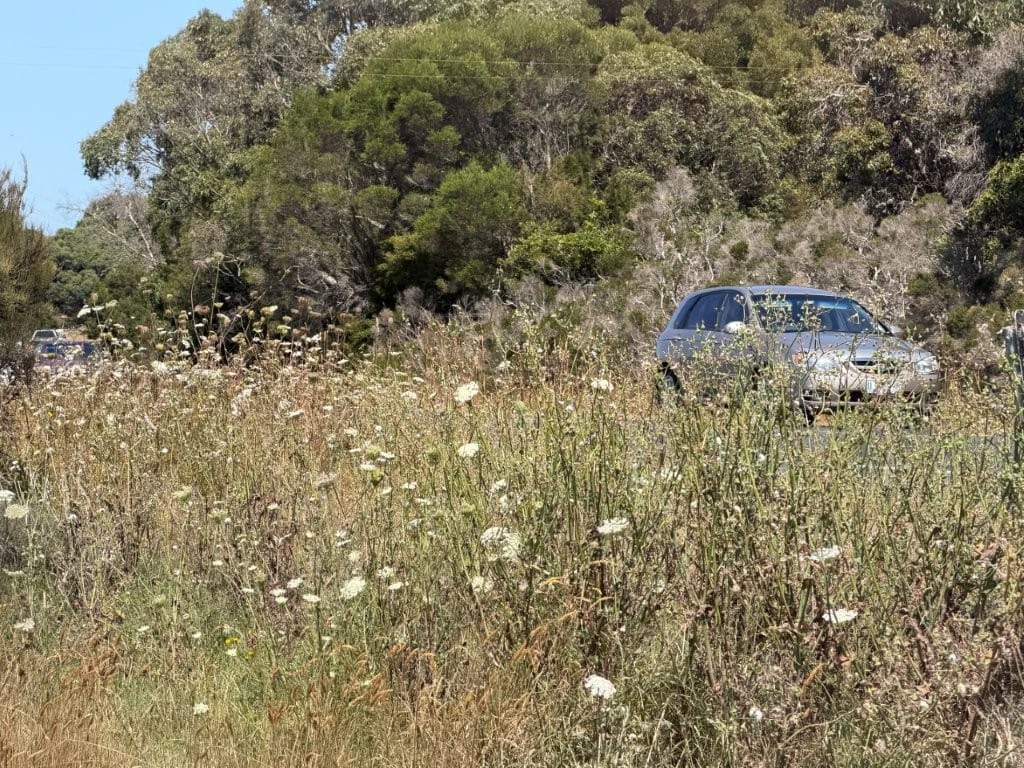
The Bass Coast Shire Council has acknowledged that a third cut of roadside vegetation might be needed this year:
“Council-managed roadsides are generally cut twice per year - once prior to summer, with the second cut commencing after that period. In some years, a third cut may be undertaken if required, depending on seasonal conditions.
“At present, we have completed one full cut and are progressing through the second cut. Our schedule has been slightly impacted by public holidays, total fire ban days, and a small number of machinery breakdowns, which is to be expected.
“However, we anticipate continuing to make steady progress on the second cut over the coming weeks.
“Department of Transport and Planning managed roadsides are not Council’s responsibility.
“If members of the community have concerns about a specific roadside, they can log a request through Council’s website at https://www.basscoast.vic.gov.au/contact or by phoning 1300 BCOAST (226 278) or (03) 5671 2211.”
The Bass Coast spokesperson was asked about enforcement of fire reduction slashing on private property:
“Adding to your private property question: Authorised Officers will be assessing fuel loads on private properties throughout summer.
“If members of the community have concerns about a property — private or public — that looks like a potential fire risk, they can log a request through Council’s website at https://www.basscoast.vic.gov.au/contact or by phoning 1300 BCOAST (226 278) or (03) 5671 2211.
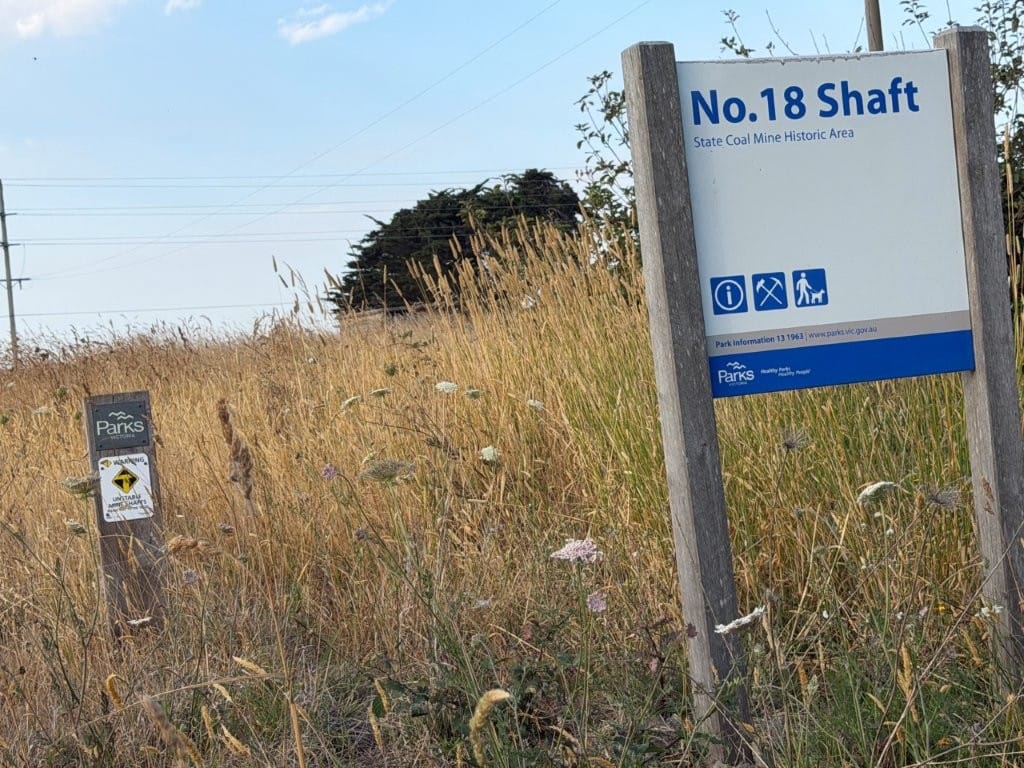
And it’s not just unslashed roadsides and private property that are a fire hazard.
State Government departments with land management responsibilities have also been caught out this year.
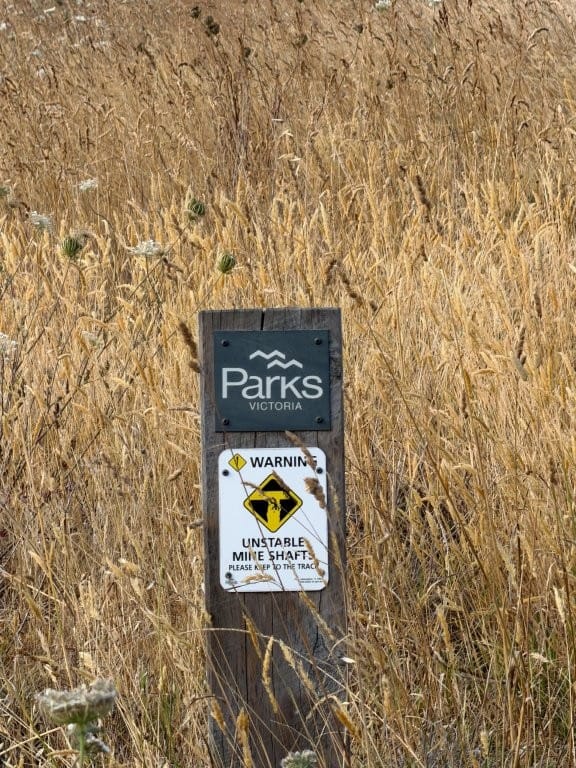
A case in point is the Number 18 Shaft Reserve on the Bass Highway, a kilometre or so from the Wonthaggi town limits, going east towards Inverloch.
You can barely see the ‘Parks Victoria’ sign for the overgrowth which blends into the long, rank grass on the roadside.
If you want to make a complaint to Parks Victoria you can email them at info@parks.vic.gov.au or call 13 1963.
Member for Eastern Victoria Melina Bath can have the last word for highlighting the issue.
“With bushfires already impacting the state, urgent action is required to address dangerous roadside vegetation in eastern Victoria.
“Locals are justifiably concerned that a single spark from a cigarette, a vehicle, or even broken glass could ignite the dry roadside vegetation,” Ms Bath said.
“After high rainfall in spring and early summer, growth has exploded, while the recent extreme heat has created a tinderbox.”
She blamed “city centric” government prioritises and cost-cutting on vital safety measures for the roadside vegetation crisis.
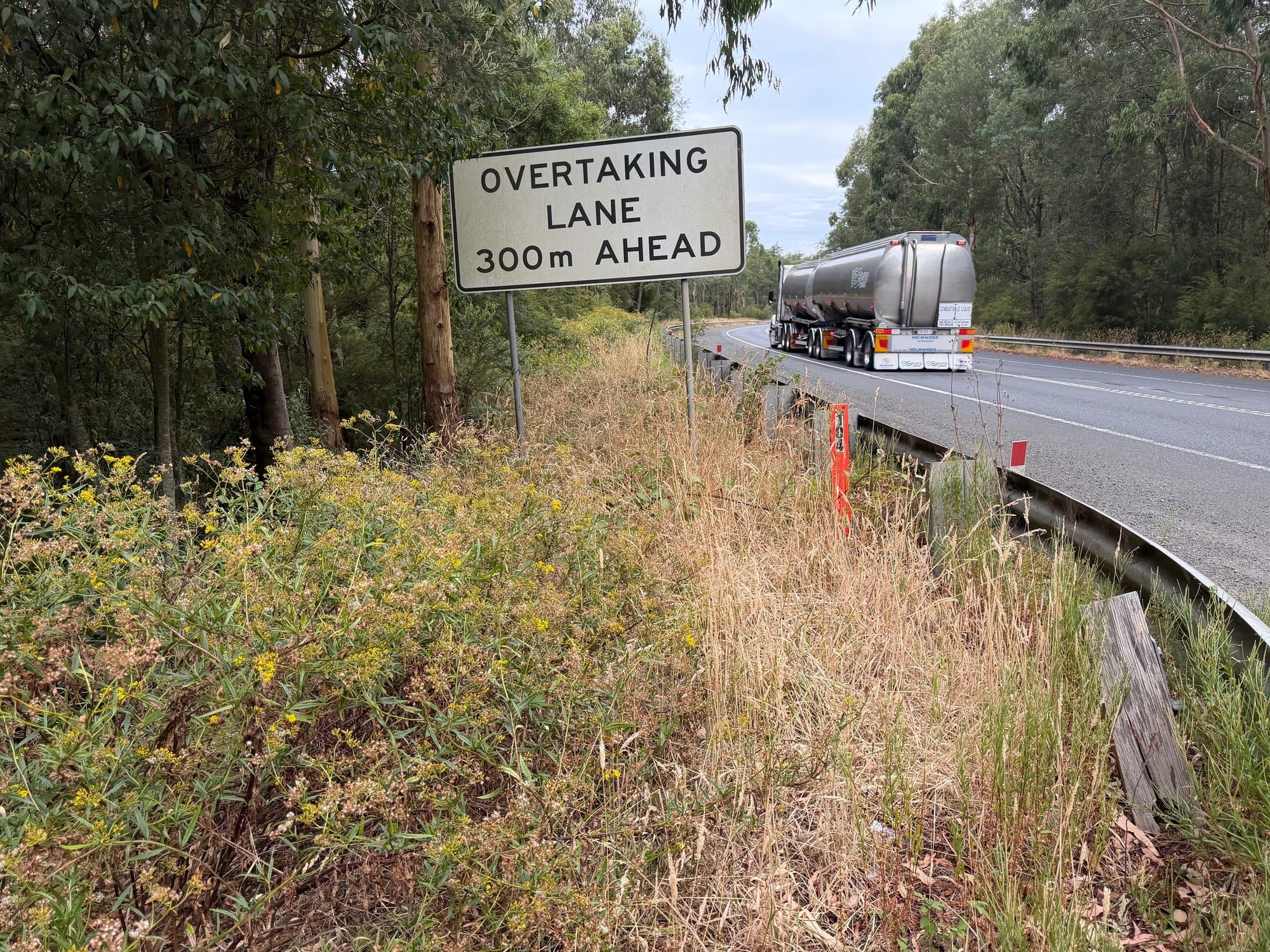
“Across eastern Victoria, roadsides are choked with long grass, fallen timber and invasive weeds - the Traralgon Maffra Road is a prime example, with overgrowth exceeding a metre in many areas.
“Besides being unsightly and a road safety issue, out of control roadside vegetation is a serious hazard that acts as a wick during fire events and compromises evacuation routes.”
Ms Bath claimed that experts have long confirmed that reducing roadside fuel loads through slashing, controlled burning and weed management significantly improves community safety.
“Private landholders are legally required to keep their properties fire safe and it’s time the Allan Government applied this standard to public land and roadsides under its management.
“Residents are deeply worried by the government’s failure to prepare, as bushfires continue to threaten communities across Victoria.”
Ms Bath called for an immediate response from government to managing the hazardous nature of roadside vegetation, urging immediate action to mitigate fire risk in Victoria.”