

Fearful legacy for new hospital chiefs
THE annual reports from our local hospitals have been tabled in State Parliament ahead of their local reporting season, starting this Thursday, November 27, with the annual general meeting of Bass Coast Health (BCH) in Wonthaggi. It’s a pivotal...


THE annual reports from our local hospitals have been tabled in State Parliament ahead of their local reporting season, starting this Thursday, November 27, with the annual general meeting of Bass Coast Health (BCH) in Wonthaggi.
It’s a pivotal time for local health services as it will be the last time they report on their performance as independent organisations ahead of full integration into their Local Health Service Networks.
As well as revealing the financial health of our local hospitals at Cowes, Foster, Korumburra, Leongatha and Wonthaggi, these annual reports also dig deeper into service delivery, achievements and challenges in the year to June 30, 2025.
And a worrying statistic, underscoring the rising problem of violence in the general community, but also highlighting the hidden impact on health staff and increasing security costs for hospitals is the number of occupational violence incidents reported in hospitals locally.
Pleasingly, while still of concern, Bass Coast Health at Wonthaggi and Cowes (20.1 incidents per 100 EFT), and South Gippsland Hospital at Foster (12.9 per 100) have recorded the lowest rates of occupational violence in the Gippsland region, other than the Yarram and District Health Service, which reported 13 incidents at a rate of 10 per 100 staff members.
Bass Coast Health reported 147 occupational violence incidents in total for the year, but with none of those resulting in injury or illness for staff.
The hospital at Foster reported 15 incidents for the 12 months to June 30, 2025.
Gippsland Southern Health Service, which operates hospitals at Korumburra and Leongatha, reported a higher rate of occupational violence at 35.5 incidents per 100 staff EFT, or 114 incidents in total with only 1% resulting in injury or illness for staff.
But they also reported a significantly safer workplace in the past year.
“Occupational Health and Safety (OHS): Time to complete investigations into OHS matters and employee grievances improved significantly this year, contributing to a safer, more accountable workplace culture and a 15% reduction in lost time for workers compensation claims and a 12% reduction in Occupational Violence and Aggression (OVA) incidents. These gains reflect stronger systems and clearer responsibilities, aligned with our commitment to early resolution and staff wellbeing,” quoted from the GSHS annual report.
At Warragul Hospital, the West Gippsland Healthcare Group did not report the number of incidents of occupational violence, but did record a dramatic reduction in the rate of violent incidents at their facility, down from a concerning 47.71 incidents per 100 staff the previous year to 24.14 in 2024-25.
Leanne Coupland, West Gippsland Healthcare Group (Warragul) Acting Director of People and Culture, listed action on occupational violence and aggression as a key achievement for the health service during the year.
“Occupational Violence and Aggression: In 2024, WGHG established a multi-disciplinary steering committee to develop an Occupational Violence and Aggression Prevention and Management Plan with the aim of improving preventative measures and incident management. The organisation reviewed its systems, policy and procedures, benchmarking against like organisations and developing new procedures. A review of OVA training and staff supports led to better management of difficult situations, and strengthened early intervention and de-escalation.”
Kooweerup Regional Health Service reported 33 violent incidents in the year at a rate of 23 per 100 staff, but elsewhere in Gippsland, the statistics paint a much-more concerning picture.
Latrobe Regional Hospital reported an alarming 1842 violent incidents in 2024-25 at a rate of 91.5 per 100 staff, 6% of which resulted in injury or illness for staff, the highest number of incidents and rate of occupational violence of any hospital in the region.
The annual report for Bairnsdale Regional Health Service, which operates the Bairnsdale hospital, revealed the second-worst result for violence and aggression across the region with 305 individual incidents during the year at a rate of 47.3 per 100 staff. The hospital reported that 17% of these incidents resulted in injury or illness for staff.
Occupational violence is described as “any incident where an employee is abused, threatened or assaulted in circumstances arising out of, or in the course of their employment.”
The incidence and rate of occupational violence at our hospitals, and its impact on staff safety and wellbeing, presents a significant challenge for the new Local Health Service Networks, including the Gippsland grouping of hospitals, which includes Foster, Latrobe Regional, Warragul and Bairnsdale, and the Bayside Health grouping, which includes Korumburra, Leongatha, Cowes and Wonthaggi integrated with Kooweerup, Peninsula Health and the Alfred.
The date for the integration of local hospitals into the Bayside Health Local Health Service Network grouping of hospitals is January 1, 2026,
Earlier this month, the Designate Board of Bayside Health announced the appointment of Adjunct Prof Adam Horsburgh as the inaugural Chief Executive of the new Bayside Health.
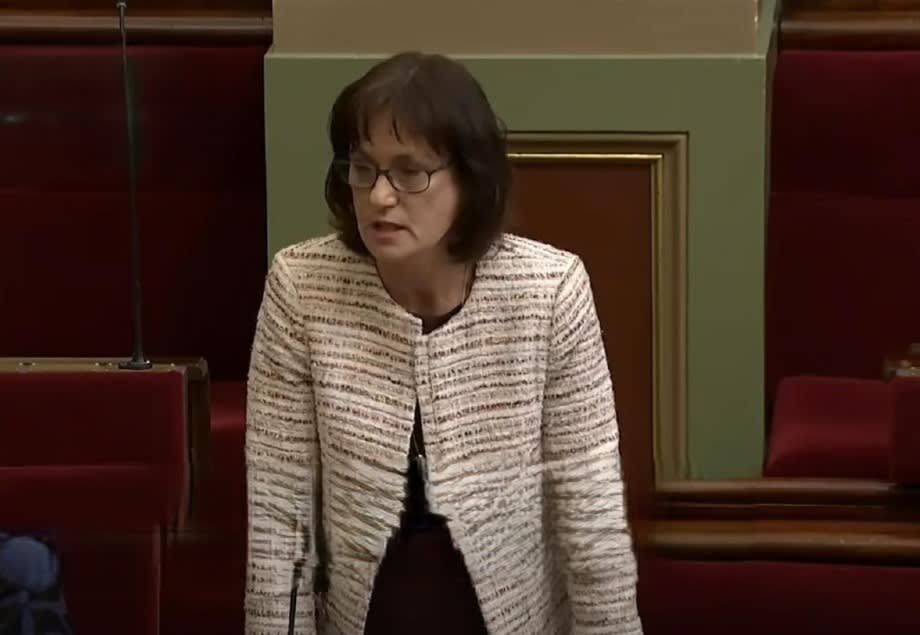
From Melina Bath MP
Nationals Member for Eastern Victoria Melina Bath said any level of occupational violence was unacceptable in a health care setting.
“Violence in our regional hospitals is unacceptable, our staff safety must be a priority,” said Ms Bath.
“Zero tolerance for abuse is essential, but it requires proper resourcing, training and leadership.
“Rising incidents reflect a health system under strain, with staff managing surging patient volumes and complex behaviours.
“The Allan Labor Government must provide adequate budgets for training and support to deescalate violent incidents, instead of leaving hospitals to struggle,” she said.
“Regional Victorians deserve a safe, well-resourced health system not one in crisis.
“Sadly, under the Allan Government, hospitals are overstretched and frontline workers are paying the price.”


