

History and a few home truths from Korumburra's Hugh Hendry
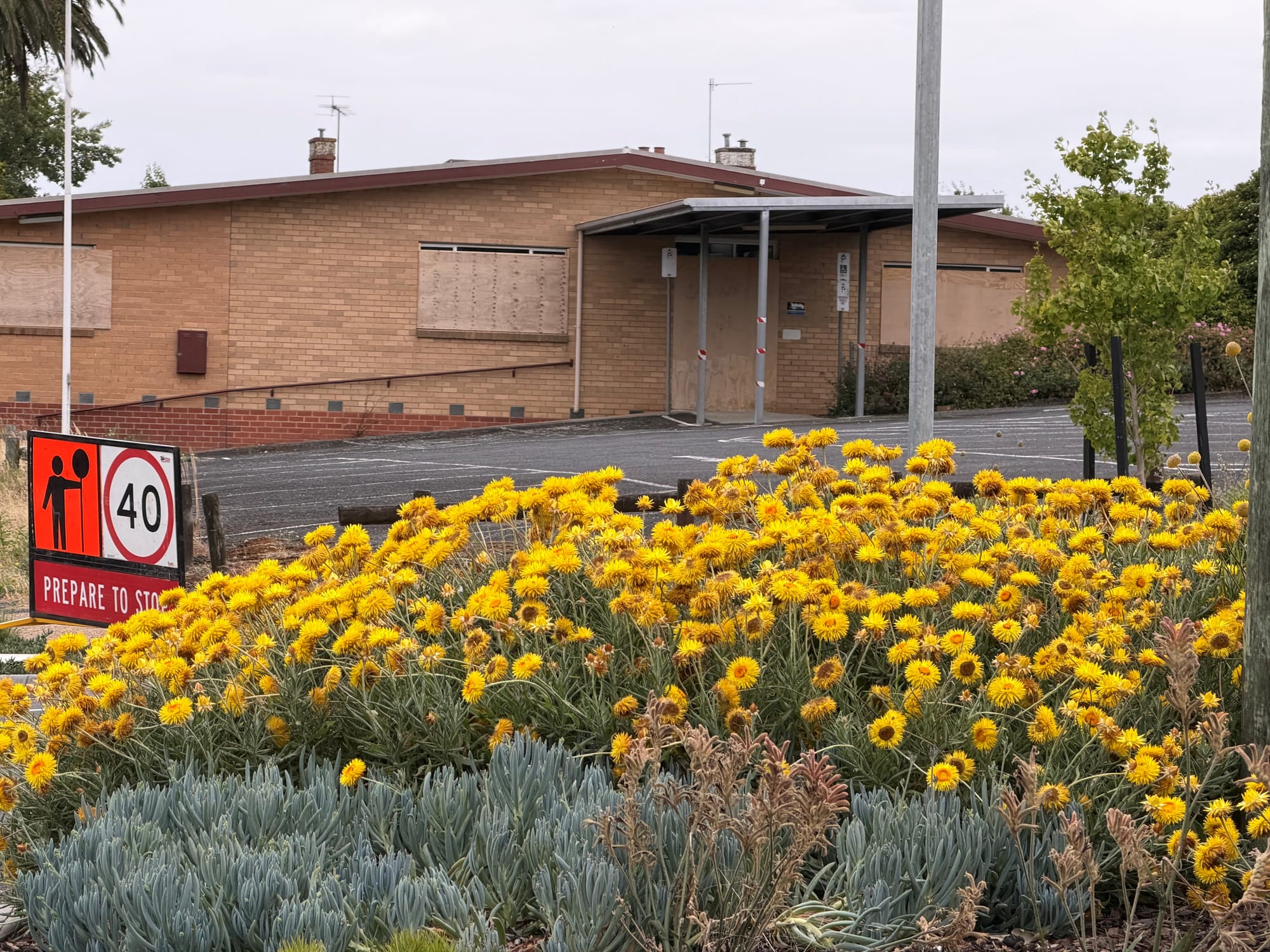
“When I was on council, it was always our understanding that council gave them the land,” said Hugh Hendry this week weighing into the dispute over the ownership of the Korumburra Senior Citizens Centre.


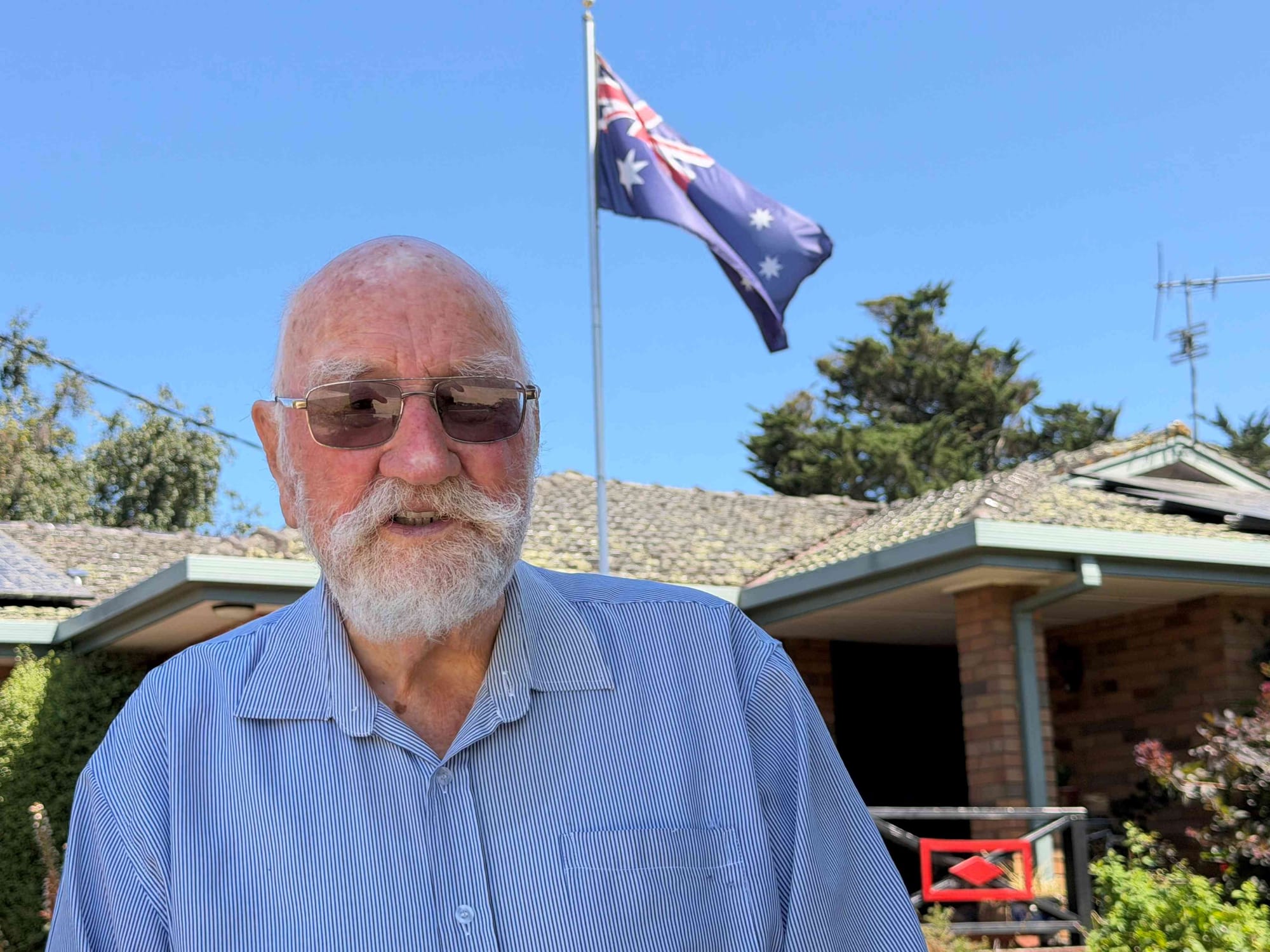
IF YOU want an historical perspective on Korumburra you could do worse than ask 99-year-old World War II veteran Hugh Hendry.
He’s likely to be the last local man, who served in the war, still standing at this year’s Anzac Day observance.
A former Korumburra councillor for nine years, between 1965 and 1974, before that a butcher in Bena and Korumburra, and after leaving council, the manager of Coal Creek for 15 years; he knows the district’s secrets and where the bodies are buried, as they say.
So, let’s get the controversial one out of the way first up.
He reckons the Korumburra Senior Citizens Centre belongs to the town’s seniors.
“When I was on council, aware of all the fundraising that Merv Close did (fellow councillor), and the effort put in by the community to get the Senior Citizens Centre built, it was always our understanding that council gave them the land,” said Mr Hendry this week.
“It was the same with Carinya Lodge. Council bought the land with the aim of providing homes for widows of the war. It’s gone on to become a registered Not-for-Profit Organisation but council’s not going to go up there and say ‘hey, we own the site’,” he said.
It’s not a legal declaration that’s likely to stand up in court but it’s something.
And an article in the Korumburra Times, reporting on the opening of the Korumburra Senior Citizens Centre in April 1961, seems to bear it out.
In praising the Korumburra Council and the community for providing such a handsome facility for the district’s seniors, Mr Randall White, Director of the Old People’s Welfare Council of Victoria, “expressed thanks to the Shire of Korumburra for the donation of the land on which the building is located”.
Why would he say that if it wasn't true?
Mr White said he saw the project, which was an initiative of the Rotary Club of Korumburra, grow from its infancy, after addressing a public meeting in the town where the call was made to form the first committee.
“The project had been started under the leadership of Cr R W Ritchie and the people of the district had made the eventual opening of the centre possible,” he said.
Mr White said the centre had been built, not only for the senior citizens of today but also for those who would be seniors in the future.
Shire President Cr J Anderson chimed in, according to the report, appealing “to all senior citizens in the shire to regard the centre as their own and to use it and its amenities”.
The South Gippsland Shire Council says it has documentation which proves the former Shire of Korumburra purchased the land in 1948 and that it was transferred to the South Gippsland Shire Council following amalgamation in 1994.
The council offered the opportunity for the seniors to use the Korumburra Community Hub, as a replacement for their facility, which was closed in 2023, but for various reasons, including its location on a steep hill, and insufficient space for members to share a meal, they’ve had to hold their meetings elsewhere.
An independent, government-appointed planning panel recently agree with council’s decision to rezone the site from Public Use Zone (PUZ) to Commercial Zone 1 (C1Z). The issue will be considered by council on Wednesday, February 18 at 2pm in the Council Chambers at Leongatha.
How they parked Korumburra growth
It’s not the only thing, Mr Hendry said, “that’s likely to get me into trouble”, but staring down the big 100 number, coming up later in the year, he’s entitled.
“The authorities, including Federal, State and Local governments, had apparently made the decision 60 years ago that Korumburra and Leongatha were too close together and that Leongatha was best placed to grow and should be supported.
“Korumburra is booming right now, but a lot of decisions have been made over the years, in relation to infrastructure, that haven’t helped the town.”
Mr Hendry said he believed the decision to put a medium strip down the middle of the main street, reducing the number of car parking spaces from 317 in Commercial Street to just 97 had “destroyed the commercial centre of Korumburra”.
“When you’re trying to attract the travelling public to stop in your town, you’ve got to provide the amenities for them to use; carparking spaces, public toilets, places to get food and drink and other services.
“The other thing that attracts cars is other cars. If you’ve got people stopping and parking their cars, others will do the same, if there’s space.
“When they removed all those car spaces, and you can work out what each of them is worth in revenue to a town, they cost business in Korumburra hundreds of thousands of dollars annually.
“But it’s not just Korumburra. There’s no major effort to provide parking in regional towns in Australia.”
He also believes the shire’s finances aren’t fairly distributed across the shire, which was a problem he encountered when he was a councillor.
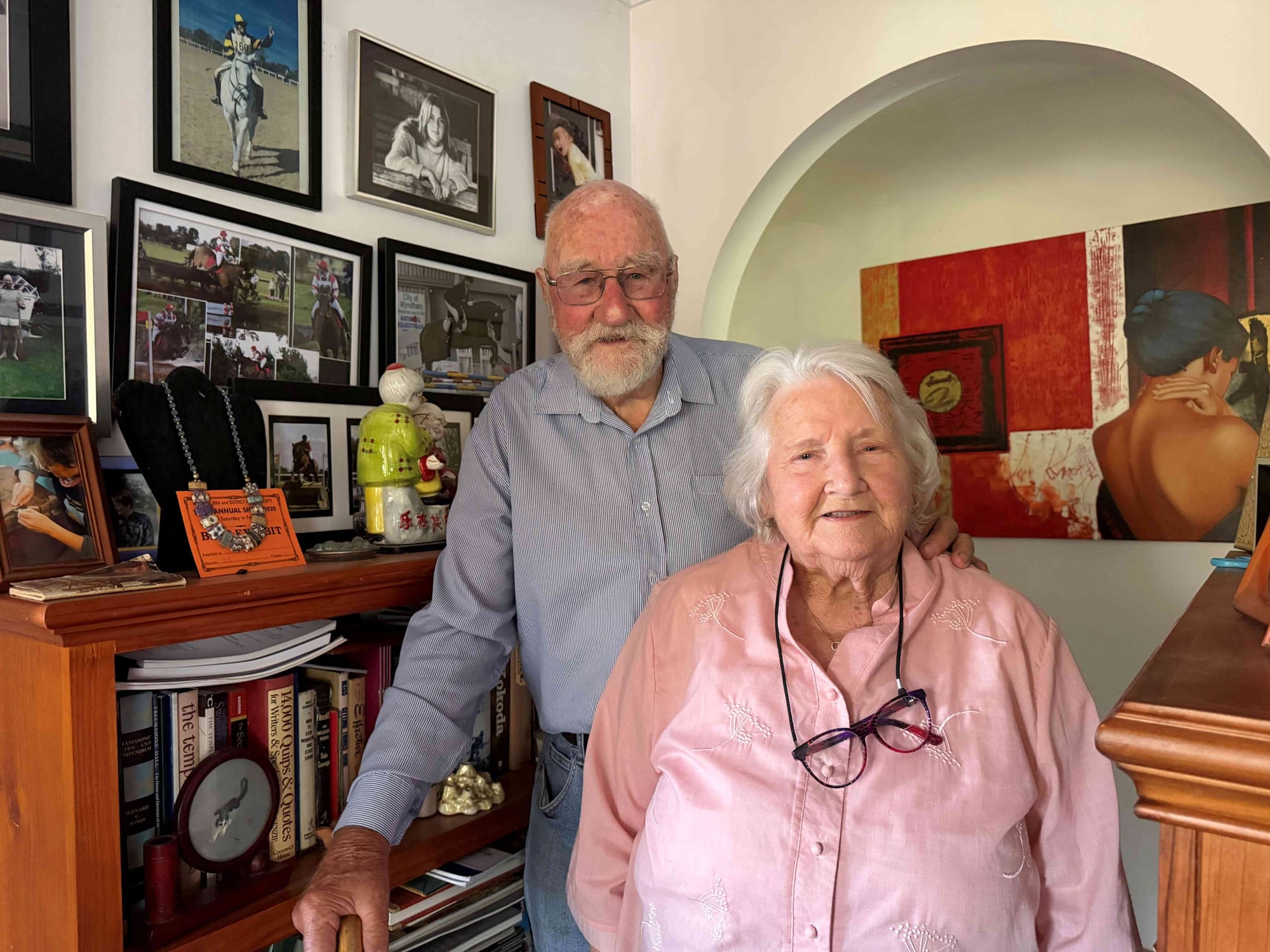
A cook for the air force during World War II, Mr Hendry started his working life in the community as a butcher following post-war retraining.
Having worked in other people’s butcher shops, including in Church Street Middle Brighton, at Heyfield and ultimately in Bena and Korumburra, where he was able to buy his own shops, he’s experienced the benefit first-hand of customers being able to park and shop.
“In those days, there was a butcher shop in Bena, Nyora, Kongwak, Loch and Poowong and four butcher shops in Korumburra, most of them employing four or five people.”
Still busy with a young family and long hours at the butcher shop through the 1950s, 60s and early 70s, Mr Hendry could see that the Korumburra shire’s revenue wasn’t being fairly distributed around the shire, so together with Brian Blake and others, he helped form the Korumburra and District Development League.
It was to lead to a number of major developments for the town, including the purchase of Alp’s farm for the industrial estate, the expansion of the showgrounds and the establishment of the regional saleyards.
It resulted in Hugh running for council and helping to turn around the attitude of the council to fair funding for services across the shire and the establishment of a priorities list for bigger projects.
But it wasn’t always plain sailing and there’s a secret or two that he’s happy to say will stay buried.
And Coal Creek? That’s another story.
“Korumburra has a tremendously interesting history, from the aboriginal groups who used to come through the area from Warragul, on their way to the coast in summer and back again, to the arrival of Count Strzelecki here in 1840 and the transformation of the area from practically impassible forest to farming, the start of coal mining and the arrival of rail…
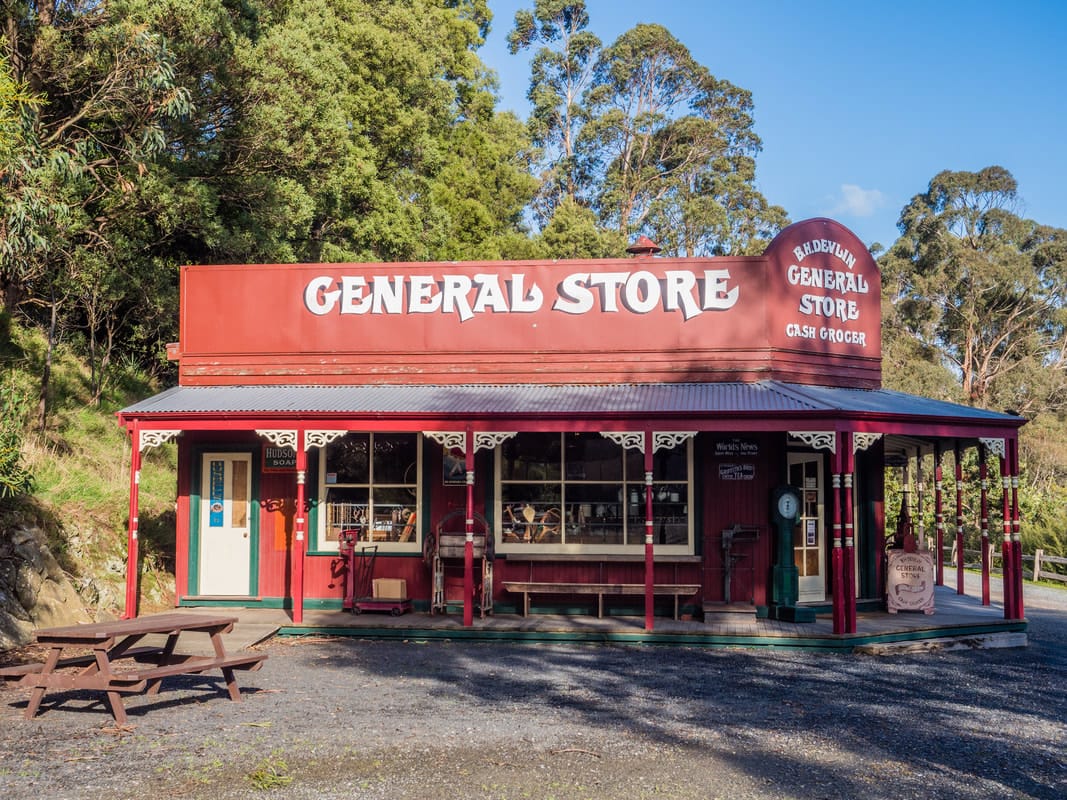
“Coal Creek started out of a keen interest in that history, but it hasn’t always been well supported by council or the community.”
Mr Hendry reminisced about the life he enjoyed with his family in Bena when he first came to the area, noting that there were 80 kids in the school there at the time and a vibrant social scene.
“They had big families then. One had nine kids. There were two with eight and quite a few with six. The story goes that the newspaper train coming up from Melbourne in the morning, which also had the veggies and other supplies on board, used to blow its whistle as it was going through Bena at about 4.30am to wake up the station master in Korumburra.
“It woke him up alright but also the whole town of Bena, and they couldn’t get back to sleep, which they say is the reason why there were so many kids in the town!”
Mr Hendry loves Korumburra and he’s pleased he’s lived long enough to see it prosper again, but what it needs, he says, is a change of attitude about what’s possible, not only by the council but also by the local residents themselves.
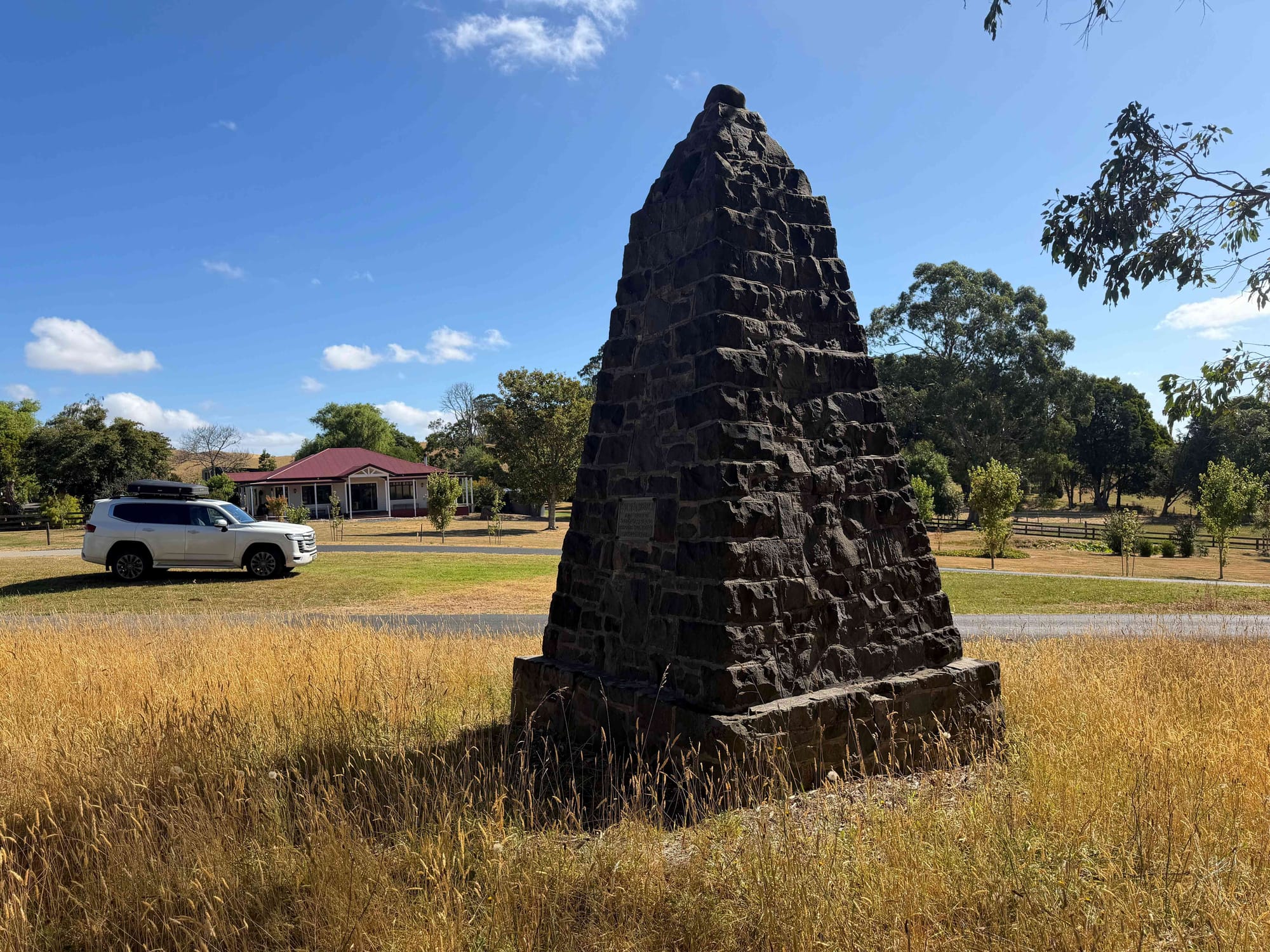
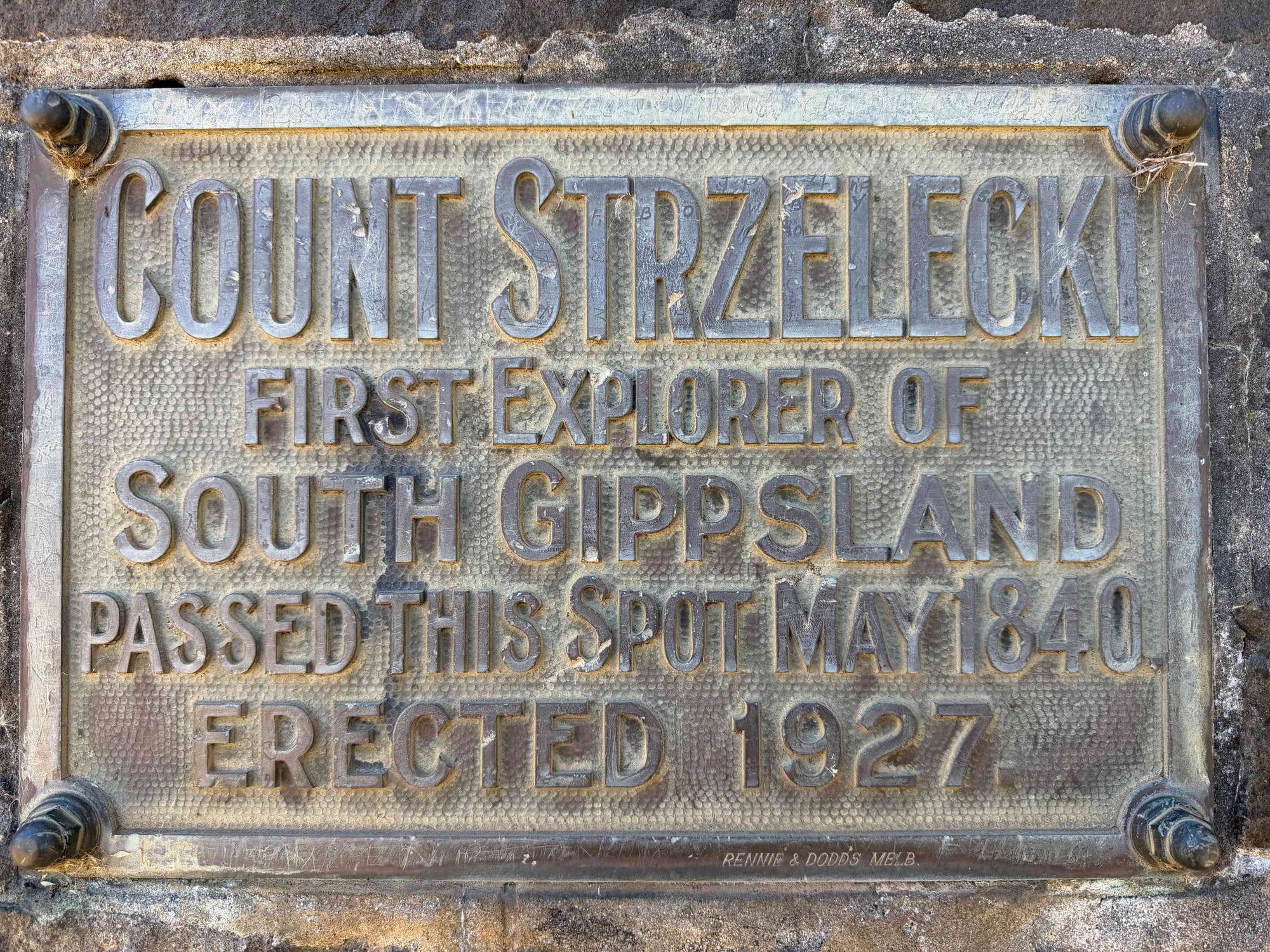
A monument near the corner of Korumburra-Warragul Road and Korumburra-Bena Road marks the spot where Count Paul Strzelecki passed by in 1840.


