

Local firefighters join fight against Victoria's bushfire crisis
District 9 crews rotate through Tallangatta Valley as Mt Lawson blaze burns through more than 100,000 hectares


FIREFIGHTERS and appliances from local brigades belonging to District 9 have been actively involved in the fight against Victoria's bushfire crisis, with members volunteering to join Strike Teams helping battle the Mt Lawson and Walwa fires.
The fires, which have burnt more than 100,000 hectares, prompted a State of Disaster declaration earlier this month.
"We're pulling crews from all brigades, so I'd say 90 per cent of the brigades in South Gippsland Shire at this stage have provided crews or individuals to go up there," District 9 Commander Simon Bloink said.
"The first rotation, the Strike Team were doing active firefighting and burning out in the Tallangatta Valley area, and also looking after assets."
Mr Bloink noted the District 9 contingent has paired with that from District 27 (Latrobe) on rotation of crews.
Leongatha Fire Brigade Fourth Lieutenant Scott Cameron, firefighter Daniel Matheson and Second Lieutenant Nathan Hawkins manned the Berrys Creek tanker driven by Colin Murray of Mirboo North Fire Brigade, with the Lieutenants alternating as Crew Leader.
"Our Strike Team was in the Tallangatta Valley near the Bullioh area; it's probably about a 20-kilometre area we were asked to look after," Lieutenant Cameron said.
"The mountainside meets farmland, and all the mountains to the west of us were part of that Walwa River Road fire, with fire creeping down the hill into the farmland, so our task was to make sure it didn't go any more out of the bushland."
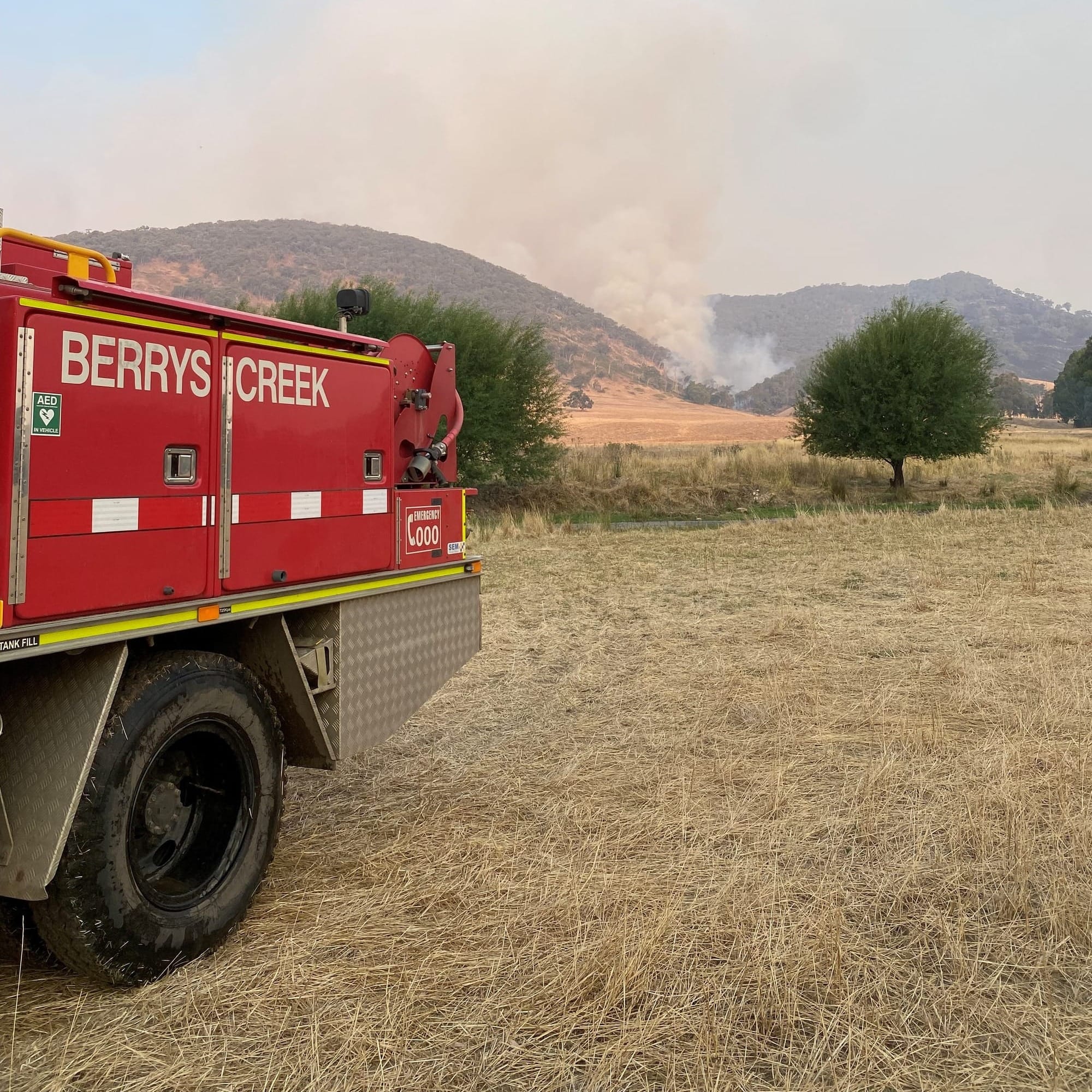
Lieutenant Cameron explained the bushland was inaccessible given the steep terrain.
He spoke of the impressive teamwork that occurred between a range of organisations using a variety of firefighting appliances.
"There were a lot of aerial appliances helping, which was awesome; we worked with Forest Fire Management, DEECA, the local assets, SES, and Rural Fire Service from New South Wales and Canberra," he said.
"It was awesome to work in a multi-agency area with everyone else, and pretty much shoulder to shoulder with the locals."
Lieutenant Cameron noted that accessing water wasn't a problem, with plenty available from rivers.
Monitoring a slow burning fire and strategic burning out in another section were tasks the crew of the Berrys Creek tanker did during their first day on the fireground, working with the aforementioned agencies.
After burning out, the South Gippsland crew helped monitor a fairly intense fire as crews worked to ensure it didn't impact farmland.
Lieutenant Cameron spoke of the appreciation locals showed the crews and how well firefighters were looked after at the Bullioh football ground.
"It made you feel really good," he said of the appreciation that people from South Gippsland volunteered to travel the long distance and give their time to fight the fires.
Commander Bloink outlined what has happened since the initial District 9 Strike Team deployment.
"Our Strike Teams and tankers we sent up initially have come back and now we're manning District 24, which is Wodonga vehicles, so we're bussing crews up," he said, noting the vehicles being used in the firefighting there are predominantly ultralights, small four-wheel drives with 500-litre tanks suited to the terrain.
"They're doing active blacking out all along the constructed mineral earth breaks," Commander Bloink said.
The mineral earth breaks are created with bulldozers, removing the top level of soil and light vegetation to take fuel away from the fire so it stops at the edge of the break, with Lieutenant Cameron remarking that approach worked well during his time on the fireground.
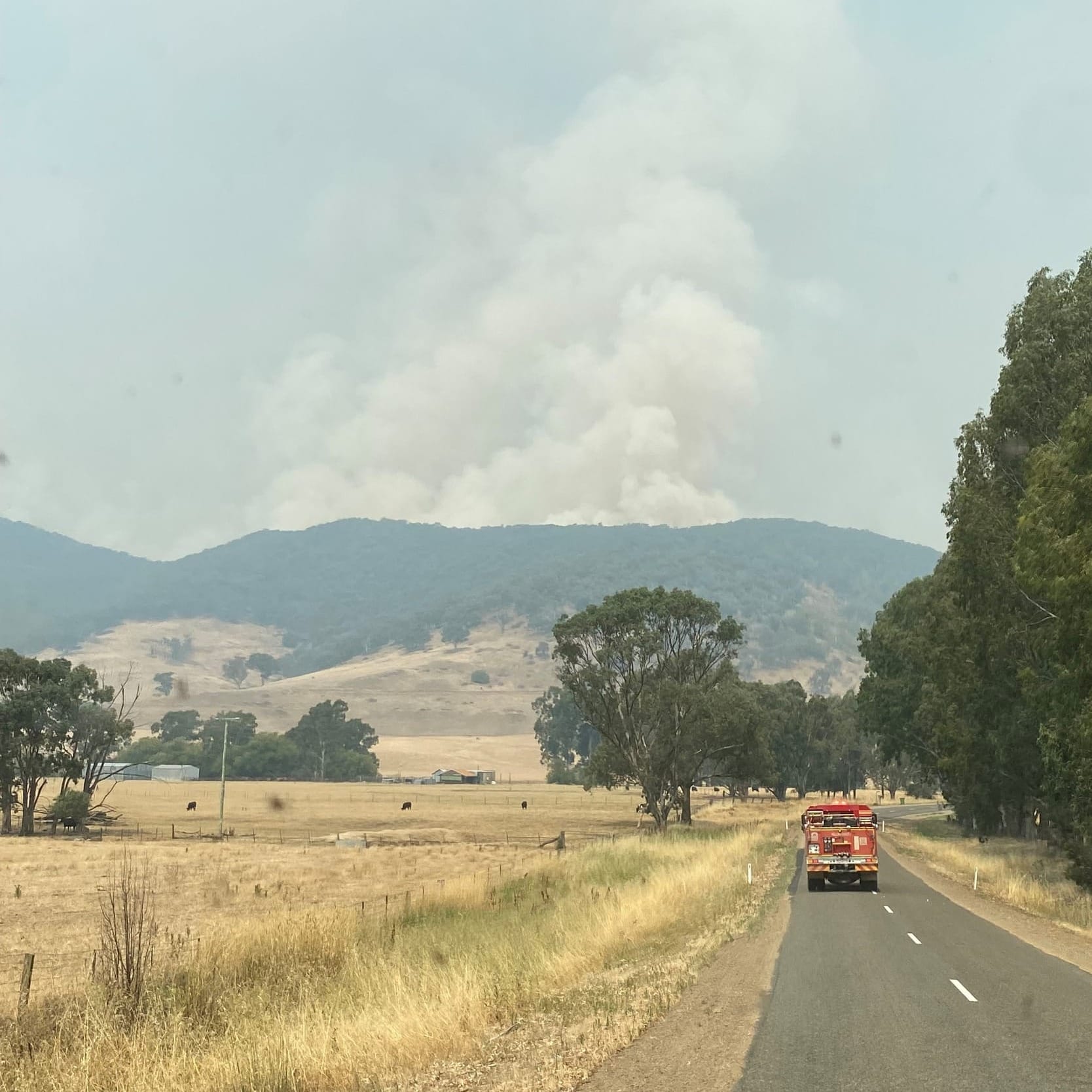
District 9 is sending between 26 and 28 people on each rotation.
"So, we have to send away a Strike Team Leader, who leads the group of people, then we've got to have drivers who can drive certain types of trucks and crew members," Commander Bloink said.
In the initial deployment, District 9 sent vehicles from Inverloch, Pound Creek, Toora, Ruby and Berrys Creek, along with a couple from brigades in Baw Baw Shire.
Those vehicles returned to District 9, with a couple sent to the mechanics workshop to get minor faults fixed before going back to their stations.
Mr Bloink explained that resource requests come from state and regional levels, with the District Coordination Centre then seeking people to man the various appliances required.
Crews are accommodated in a base camp, a portable facility with toilets, catering and large airconditioned marquees.
The base camp can accommodate 150 people, with crew members sleeping in tents.


