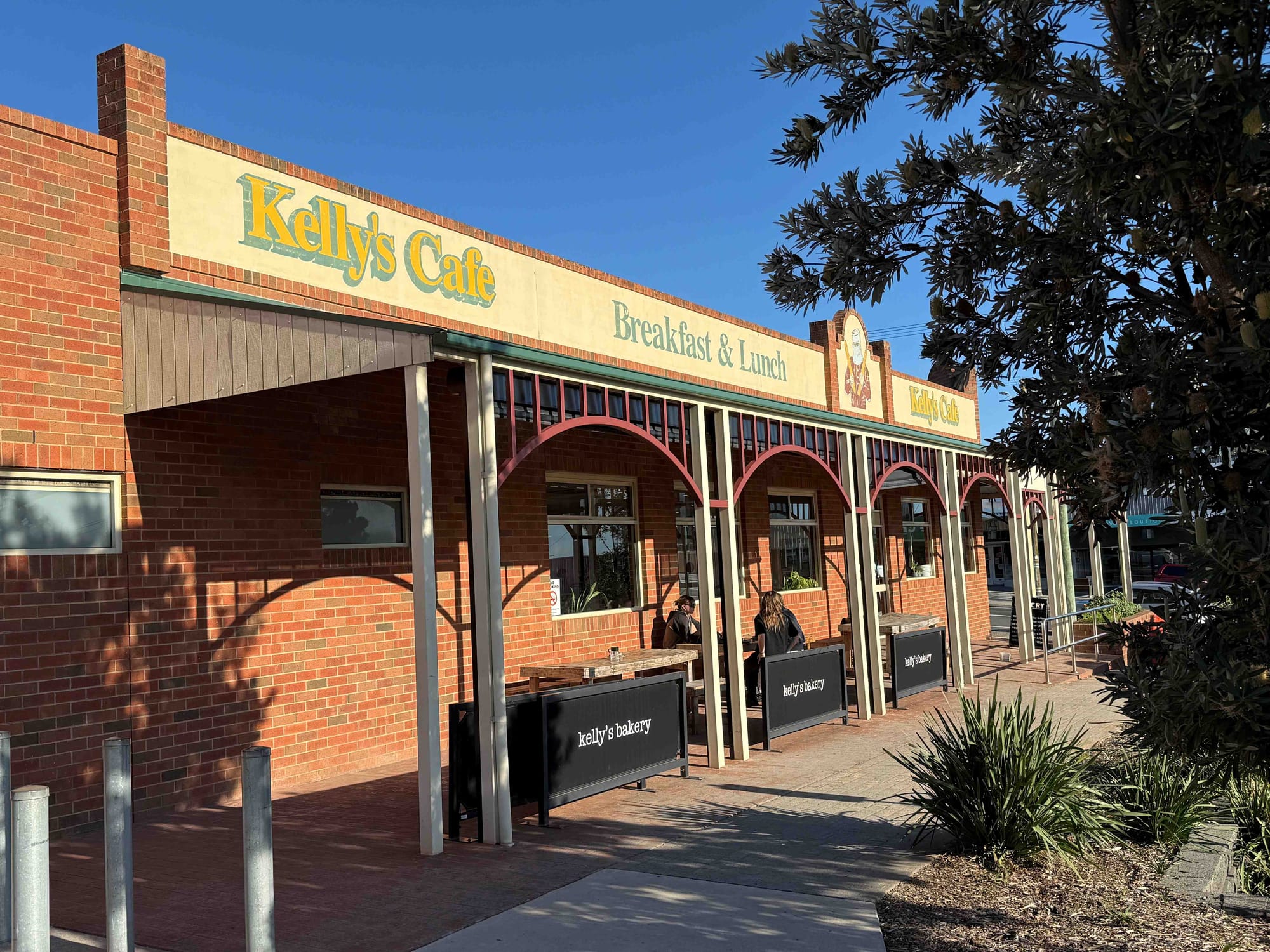
Christmas shock for shire’s outdoor dining venues
THERE look set to be some unintended consequences of the South Gippsland Shire Council’s new Footpath Trading Permit fees, hitting some of the most vibrant businesses in towns across the shire.


THERE look set to be some unintended consequences of the South Gippsland Shire Council’s new Footpath Trading Permit fees, hitting some of the most vibrant businesses in towns across the shire.
At the heart of the issue is a notice sent to café owners, hoteliers, retailers and other traders earlier in the month advising them of a change to the fee structure.
Instead of paying a flat fee of $140 annually, whether they had an A-frame sign, a flag, or a footpath full of tables, they’ll now pay $75 a square metre.
While the shire anticipated that the majority of cafés with outdoor dining would pay between $150 and $225, others this week feared they would be paying considerably more.
Leongatha Business Association President Marty Reidy said he had been contacted by a number of café operators who estimated they could be paying as much as $1500 to $2000 annually instead of $140.
“This is an extra cost they hadn’t budgeted for,” said Mr Reidy.
“We want to be promoting an active and vibrant streetscape not taxing it out of existence. It’s sending completely the wrong message,” he said.
“Honestly, if this is how it comes out, it sucks.
“At a time when retailers are being hit with higher taxes, higher rates, higher energy costs and all the rest; they don’t need to be paying more in footpath trading fees.”
One local business operator offering footpath dining in Leongatha was concerned he might be asked to pay as much as $3500 annually, based on the shire’s $75 per square metre fee.
“We’re still working it out, how they actually measure the space, but right now it’s not looking that good,” he said.
South Gippsland Shire Council Mayor Cr Nathan Hersey said the new fee structure was motivated by equity and was certainly not a money-making exercise.
“My understanding is that it will be relatively revenue neutral, although council might collect more fees as more businesses decided to use the opportunity.
“But, you’ve got the situation that businesses with only an A-frame sign could actually be paying less.
“However, if we do find some are paying considerably more, we could review it,” he said, noting that in some areas, councils had adopted a cap on footpath trading fees in an effort to encourage action and vibrancy on the street.
“I’m all about supporting small business and encouraging economic vibrancy so once we get the applications in, we might be able to look at it again.
“It could also be an issue of a lack of information, so we could look at that again.”
The Sentinel-Times put the traders’ concerns to the council.
“Currently, there is no equity in how fees are charged for businesses using Council’s footpath infrastructure. Businesses using only a small portion of the footpath are charged the same fee as those using a large portion,” said a spokesperson for the shire.
“Previously, all businesses paid a standard fee of $140. Under the new system, fees will be based on the size of the footpath space a business uses, making it fairer for everyone. The new rate is $75 per square metre.
“Benchmarking shows this approach is consistent with other councils, and South Gippsland’s per-metre cost is lower than most nearby areas. Council projects that overall income will only be approximately 15% higher than previous years – the relatively small change is because some businesses will pay less while others will pay more.
“Based on 2024/25 figures, around 150 businesses would see a reduction in fees under the new model.
“Approximately 35 businesses would pay between $75 and $150, while 48 businesses — mostly those with outdoor dining areas — would pay slightly more.
“Of the businesses with outdoor dining, most would pay between $150 and $225. The largest businesses (3) in the shire are expected to pay between $500 and $1200.”
That’s a far cry from the shock calculations by some traders in Leongatha, where they anticipated fees of $1500 to $2000 or more.
“The size is measured only for the areas used (for example, just the tables and chairs, not the space between them). These changes were considered as part of the new Footpath Trading Code, adopted by council in May 2024.
“At this stage businesses are only being asked to complete an application. These will then be reviewed/assessed with invoices issued in the new year. Officers are available to assist in helping people work out measurements,” said the shire spokesperson
The new permits will run from January 1 to December 31 each year, with renewal notices sent out towards the end of November.
Under the updated system, the fee is $75 per square metre instead of a flat rate.
To continue being able to trade on the footpath during this transition phase, traders are being asked to complete the application form and return it to Council with a copy of the business’ public liability certificate of currency by December 31, 2025.
See council’s website for details HERE