

Tarwin producers facing unprecedented challenges
This story forms part of a regular feature by the Sentinel-Times covering how this year’s weather is impacting local farmers and producers. BEFORE this year mixing up La Niña and El Niño could be forgiven. But after the recent spate of wild...


This story forms part of a regular feature by the Sentinel-Times covering how this year’s weather is impacting local farmers and producers.
BEFORE this year mixing up La Niña and El Niño could be forgiven.
But after the recent spate of wild weather events, La Niña 2022 will be a statement not forgotten for many years to come.
The Sentinel-Times recently reported on the crop woes experienced by producers Goshen Country, and sadly they are not alone, down the road and around a few bends Tarwin Lower producers Flock, Stock & Basil are eight weeks behind schedule with multiple crop losses this year.
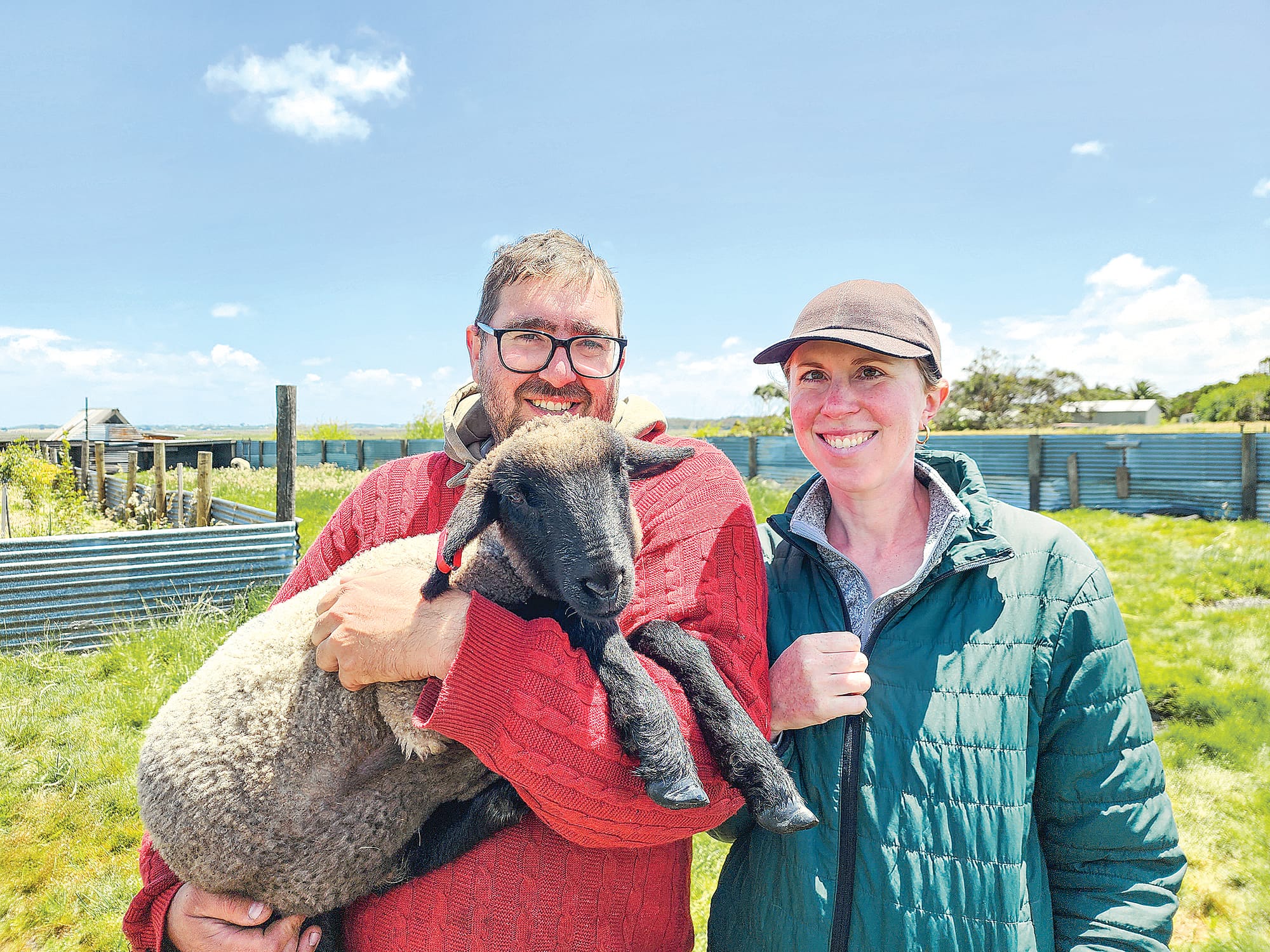
“We are pretty resilient, but this year has been particularly hard,” owner, Anna Briggs said.
Alongside her husband and co-owner, Chris Muggeridge, Flock, Stock & Basil have faced one of their most difficult years to date.
“It’s purely the conditions this year. We bounce back pretty well but it has been particularly hard to keep that positivity this time. It wears you down.”
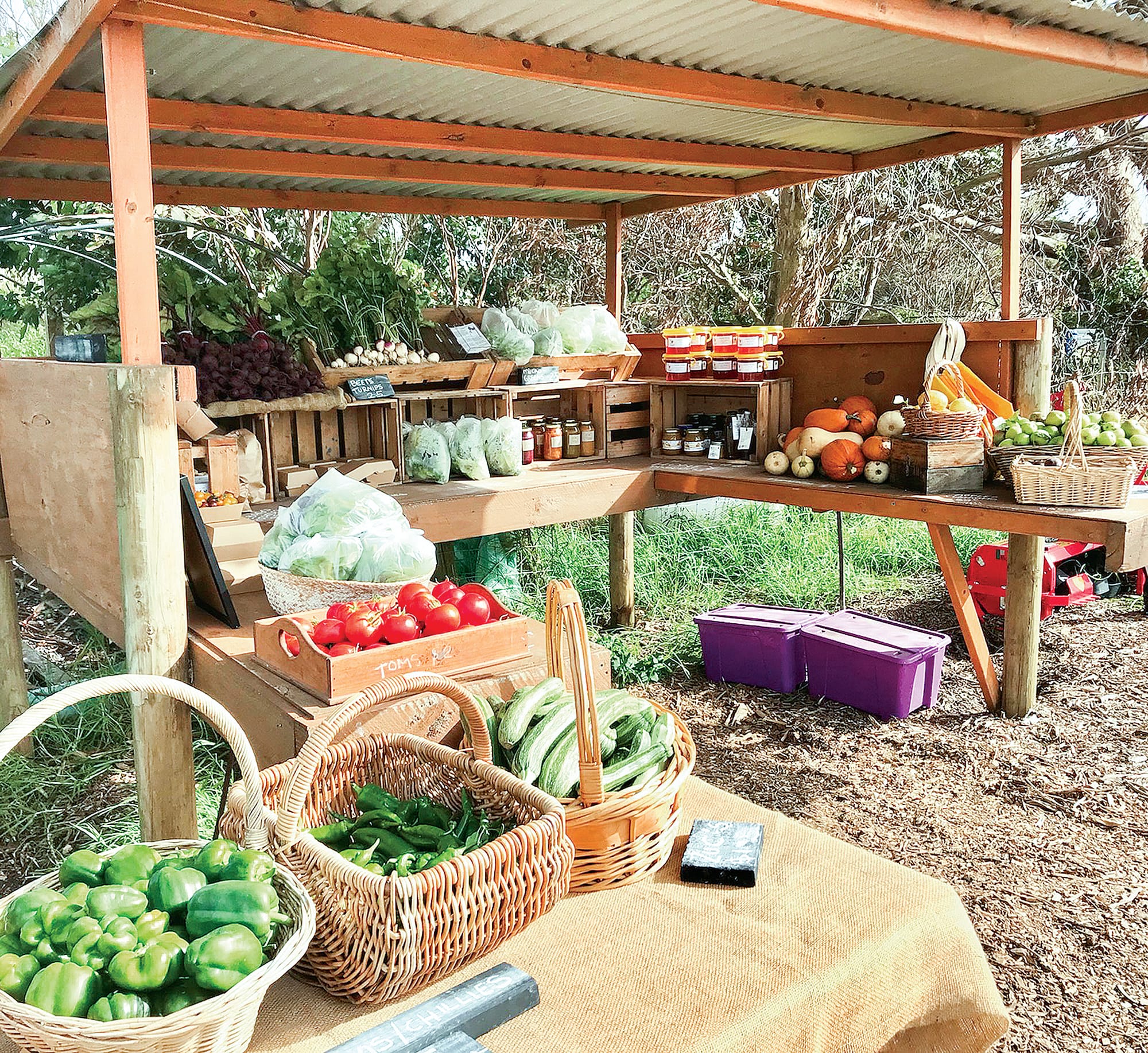
With their farm gate open once a week (Saturday’s 10am-2pm), the pair rely on local customers visiting.
“We do supply a few cafes on occasion and our eggs are available at Meeniyan and Tarwin IGA’s, but primarily our focus is the farm gate, we just need more people to come in.
“The farm gate works really well for us, and it means we can sell both our vegies and meats in the one place, alongside Chris’s pies, curries and sauces.
“We are also excited to be bringing local delivery into the mix next year, with large greenhouses on the horizon and next summer we are also looking forwards to families being able to pick-your-own berries – this year will be pick-your-own flowers.
“It’s so heartbreaking when sellers at markets stock up their stalls and if people are not in the mood or the weather is unfavourable, and everyone is at the beach, they have to take all the veggies home.”
The farm is also home to a number of beehives that help pollinate the array of vegetables, flowers and fruits.
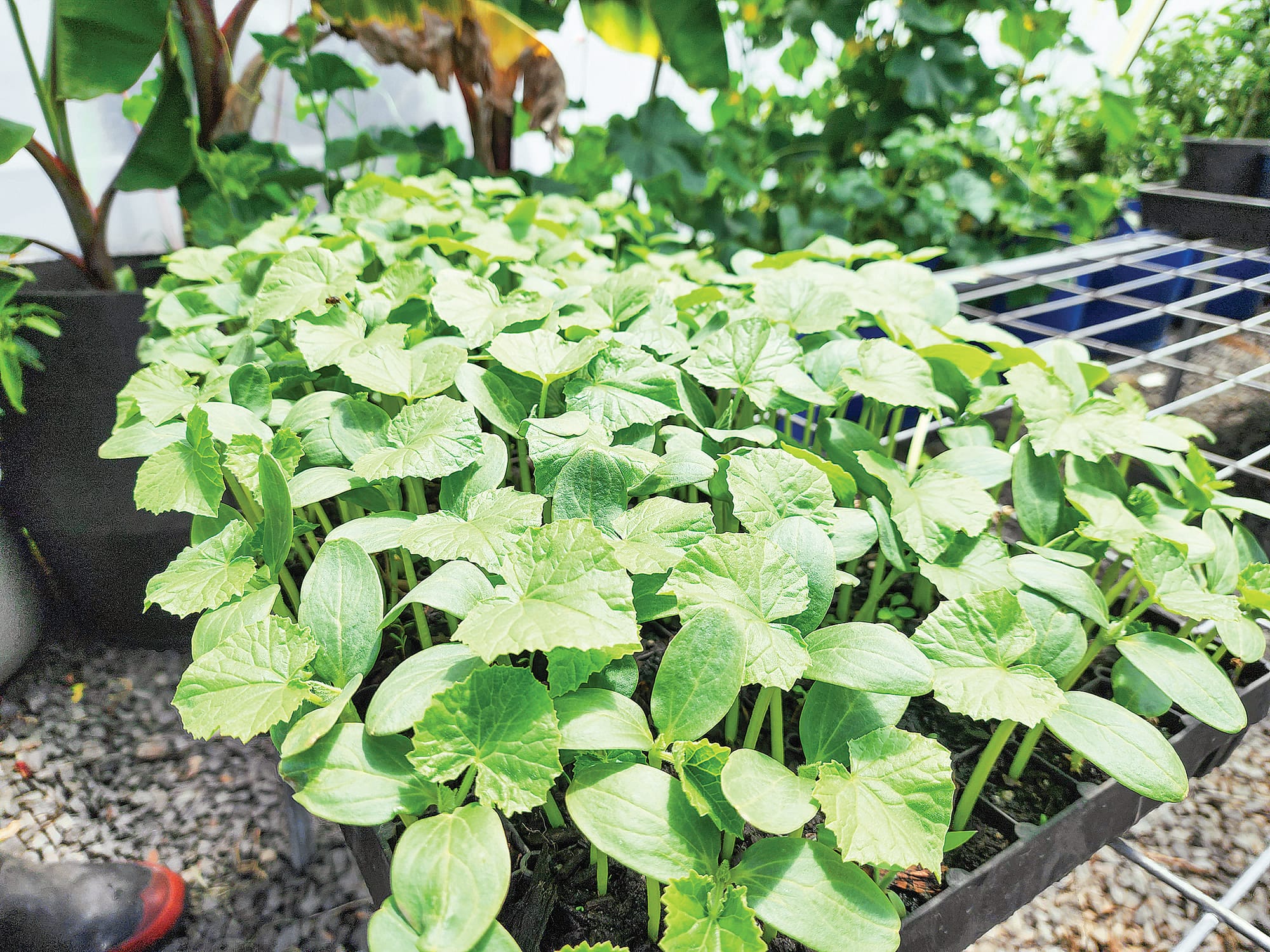
“We have some very small greenhouses that we use for seedlings and young trees. It also houses our small chilli plants and cherry tomatoes – whatever we can fit!
“Once the bigger greenhouses arrive, we will be able to control the environment and plant crops over the winter.
“It’s sad because we grow all our animals on pasture successfully, but it’s difficult to grow vegetables all of the time.
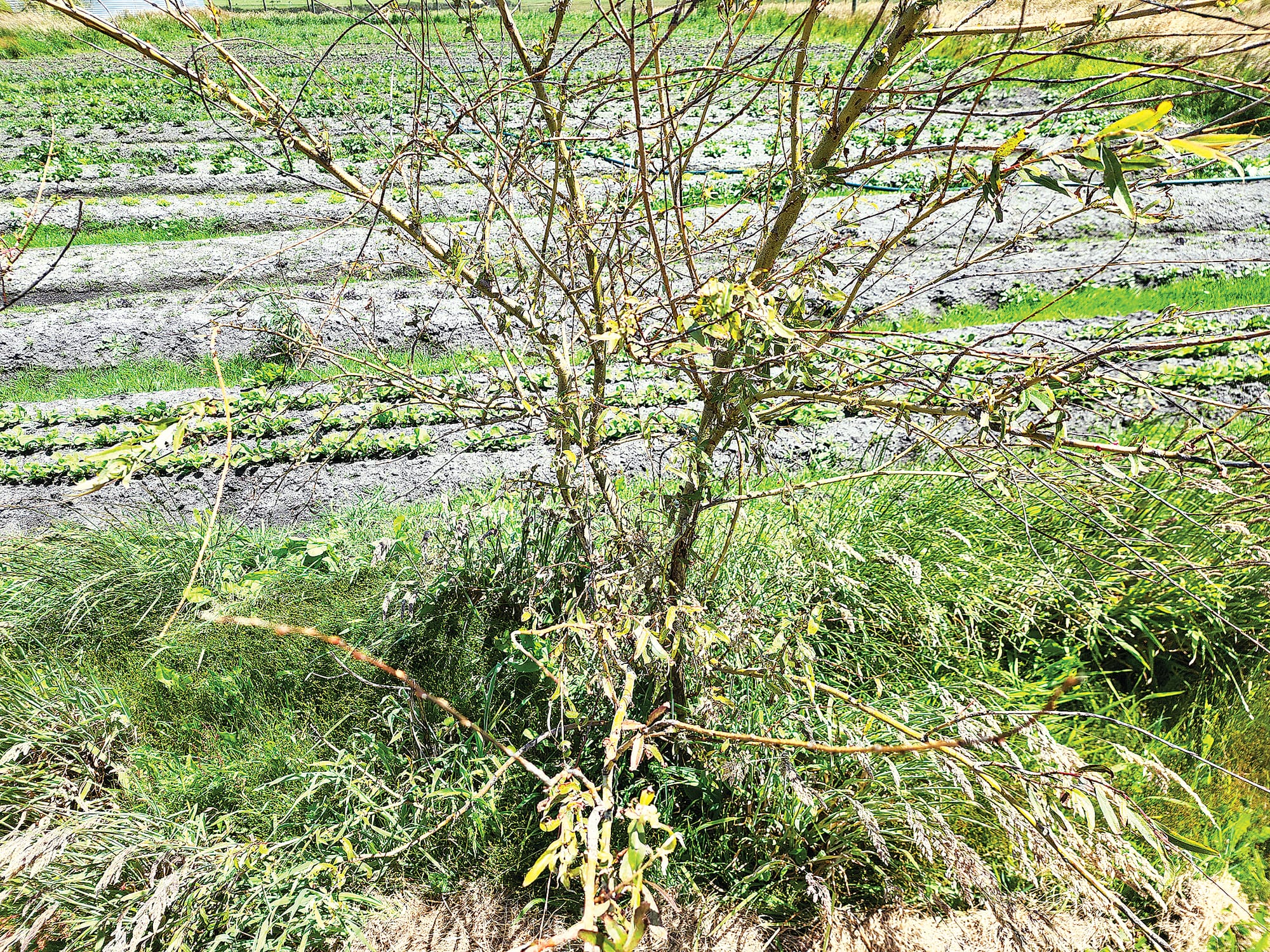
“Obviously some crops do fine outside, our snap peas survived the storm. The leafy greens didn’t fare so well nor tomatoes or eggplants – some we are replacing; some will just take longer to grow.
We lost half our pumpkin crop for next year already.”
Eight weeks behind, it’s not a simple matter of waiting for the fields to dry.
With seasons potentially shifting, producers like Chris and Anna then need to weigh up risking a longer summer or preparing for autumn.
But how did the venture all start?
The farm was a blank slate when Anna and Chris purchased the property in 2018, shifting east from Geelong.
“There were broken fences and troughs, a few cows wandering on less-than-ideal grass,” Anna explained.
“The goal was to develop an organic market garden that included livestock and had space for rehabilitating the land.
“We could have found a property in the hills with lush forest, but we knew we wanted to have a farm gate here and be really close to the local community and tourist trade.”
A chef by trade, Chris has also become an avid propagator, growing all their own trees and nurturing young natives and fruit trees to maturity.
“We hope to convert over a quarter of the property (20 acres) on the hillside to a wildlife corridor for koala rehabilitation,” Chris said.
The pair transitioned away from cattle after the cows decided to make their own paths and break numerous fences.
“We also felt it was a lot safer for our farm stay guests because the cows were overly friendly and got a bit too big!
“Now we’ve got sheep, calves, chickens, pigs and geese… We used to have more birds, but we have gradually cut down the amount that we manage.”
With only one gosling surviving this year, last year’s geese, who have this season become parents, were hand reared by Anna.
“The young white male has taken his fatherly duties very seriously, but the female will still come over and is very friendly.
“As for the chickens the weather can really impact their laying and egg production – particularly weather extremes that we have seen lately.
“By far the produce is the hardest part of the farm. This year has been hit after hit – La Niña is not for us!” Anna laughed.
“We have friends in the industry and it’s great because we all talk, compare notes and ask for advice – we are stronger together,” Anna said.
“Animal welfare is also incredibly important to us and is one of the reasons we are selective about the abattoirs and butchers we use,” Chris added.
“Having this on your doorstop – customers often ask for advice in the kitchen from Chris with flavours from the farm gate,” Anna continued.
“We were busy during the lockdowns with click and collect (which we still do) as supermarkets ran out – we don’t want to just be here for emergencies though.
“It shows that the small model is sustainable and still going.”
Keeping the farm as sustainable as possible, utilising the animals to help naturally regenerate the land and crops, the pair have also opened a farm stay, with visitors getting first pick of the crop.


