

The key to survival in our Strzelecki koalas
THE Strzelecki Koala may hold the key to the survival of the species, Anthony Amis wrote, as populations continue to succumb to a variety of environmental problems. The Strzelecki/South Gipps-land Koala is the most important koala population...


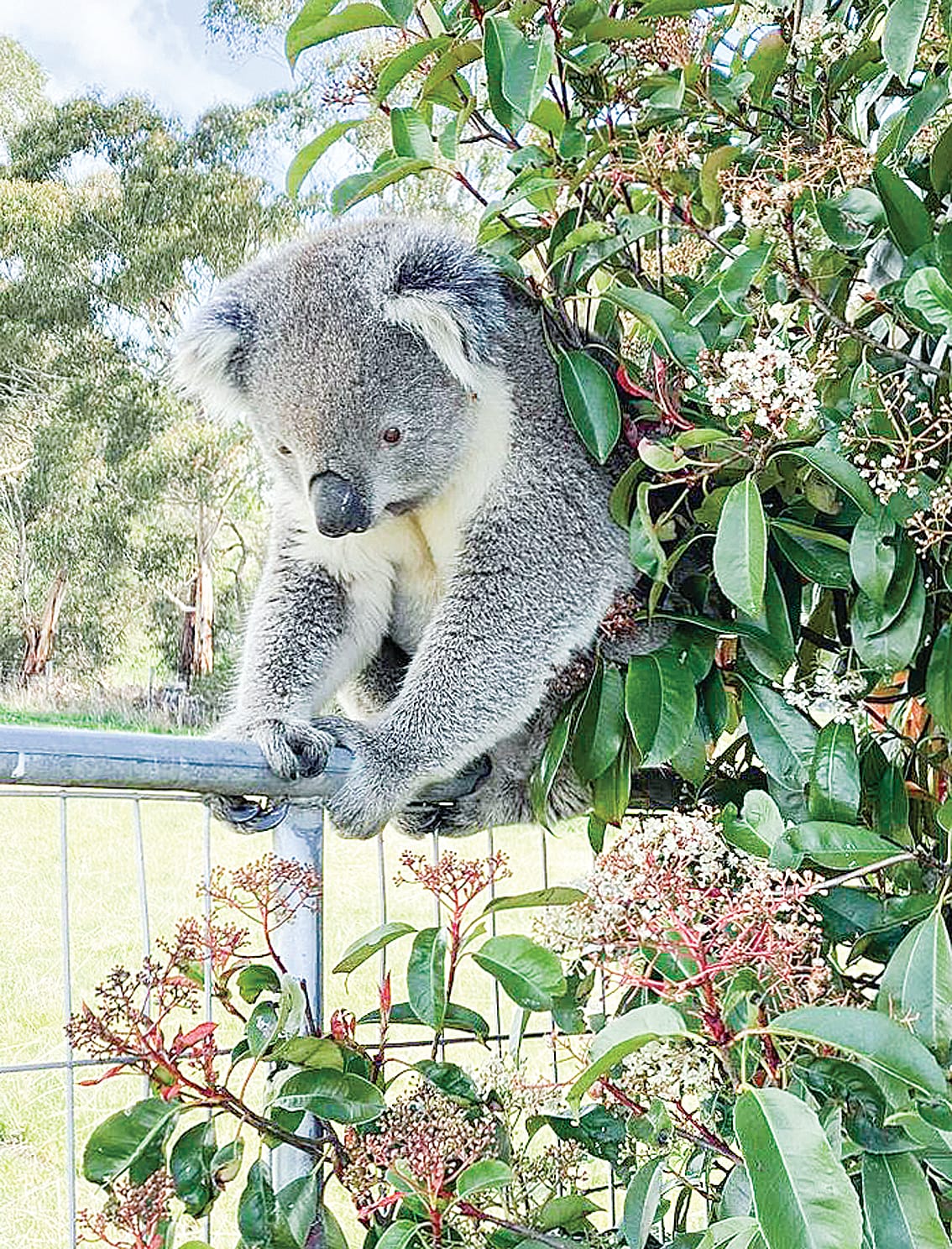
THE Strzelecki Koala may hold the key to the survival of the species, Anthony Amis wrote, as populations continue to succumb to a variety of environmental problems.
The Strzelecki/South Gipps-land Koala is the most important koala population remaining in Victoria and South Australia.
“Koalas on mainland Victoria and South Australia were almost extinct by the 1920s because they were hunted – their pelts highly prized,” Fish Creek’s Anda Banikos explained.
“The last area where the original koala population remained was South Gippsland and the Strzelecki Ranges; it was such an impenetrable part of the country. Nobody wanted to bash their way through the bush to get a few koalas.”
With no koalas on French or Phillip Island in the late 19th century they were introduced, and with a tiny gene pool bred rapidly.
Lacking koalas by the 1920s in Victoria and South Australia, and with a booming population on the Islands, they relocated them.
“The last thing that goes out of your genes is the breeding instinct,” Anda said.
“All these koalas were descendants of a handful of individuals with no genetic diversity.
“They continued to breed rapidly, and some have caused over browsing problems.”
It may come as a surprise, but koalas are not protected under the Victorian Flora and Fauna Guarantee Act. The simple reason because the Victorian Act does not recognise subspecies.
“The Strzelecki Koala Action Team (SKAT) have put in a submission for the Strzelecki koala to be listed federally under the Environment Protection and Biodiversity Conservation Act,” Anda said.
“If they are successful, this would give the Strzelecki koala protection and recognise the importance of protecting what we have and encouraging the species to thrive.”
Working with scientists, SKAT is mapping Strzelecki koalas – providing an insight into their numbers and locations – with an estimate 1500 – 2000 in the wild.
“Their approximate range is from Wonthaggi to Yarram and from the Prom Coast to the Strzelecki Ranges.
“They are more likely to tolerate the stresses caused by climate change and to adapt and survive as a species, rather than the genetically compromised re-introduced koalas.
“If you see a koala (dead or alive) please report it to SKAT. It’s useful to also provide the location and the species of tree it’s in (if it is up a tree!)
“Koalas will roam about 10km and will return to their favourite trees.”
A number of organisations and individuals are also working to increase their habitat.
“There are koalas on some stretches of the Great Southern Rail Trail and the shire is currently working with Landcare to extend the native plantings.
“Also, Watch for Wildlife has partnered with the Foster Cemetery Trust to plant koala friendly trees on the slopes of the cemetery, Wildlife in Sandy Point have been surveying and planting for years, as have Friends of the Prom, and the South Gippsland Conservation Society have been working on koala friendly projects for decades!
“In the future, there should be more wildlife for us all to enjoy!”
Protecting koalas is something everyone can work towards.
“Look after their habitat – maintain wildlife corridors and individual trees favoured by koalas.
“Extend the habitat range. Landcare have lists of suitable trees for different parts of the country – Manna Gums are a favourite in coastal regions, but various Blue Gums are their preferred food further inland, they also browse on many other eucalypt species.
“Watch for wildlife on the roads, slow down dawn to dusk when they are most active.”
Citizen scientists can also jump onboard by analysing koala scat.
“You can’t really tell by looking at a koala what sort it is but analysing the scats (koala poo) is a good way of checking.”
If you spot scat pin your location through your smartphone to obtain the GPS coordinates and take a photo of the scat (or koala if you can see them) then email anthony.amis@foe.org.au
If you are thinking of planting koala friendly trees or know of a community project supporting this iconic species, please contact Anda on aubanikos@gmail.com.
“We are currently working on a plan to link the koala habitats and provide a better future for this iconic species.”
If you find an injured koala call Wildlife Victoria on 8400 7300 and they will contact the nearest koala rescuer. Any injured animal can be potentially dangerous.


